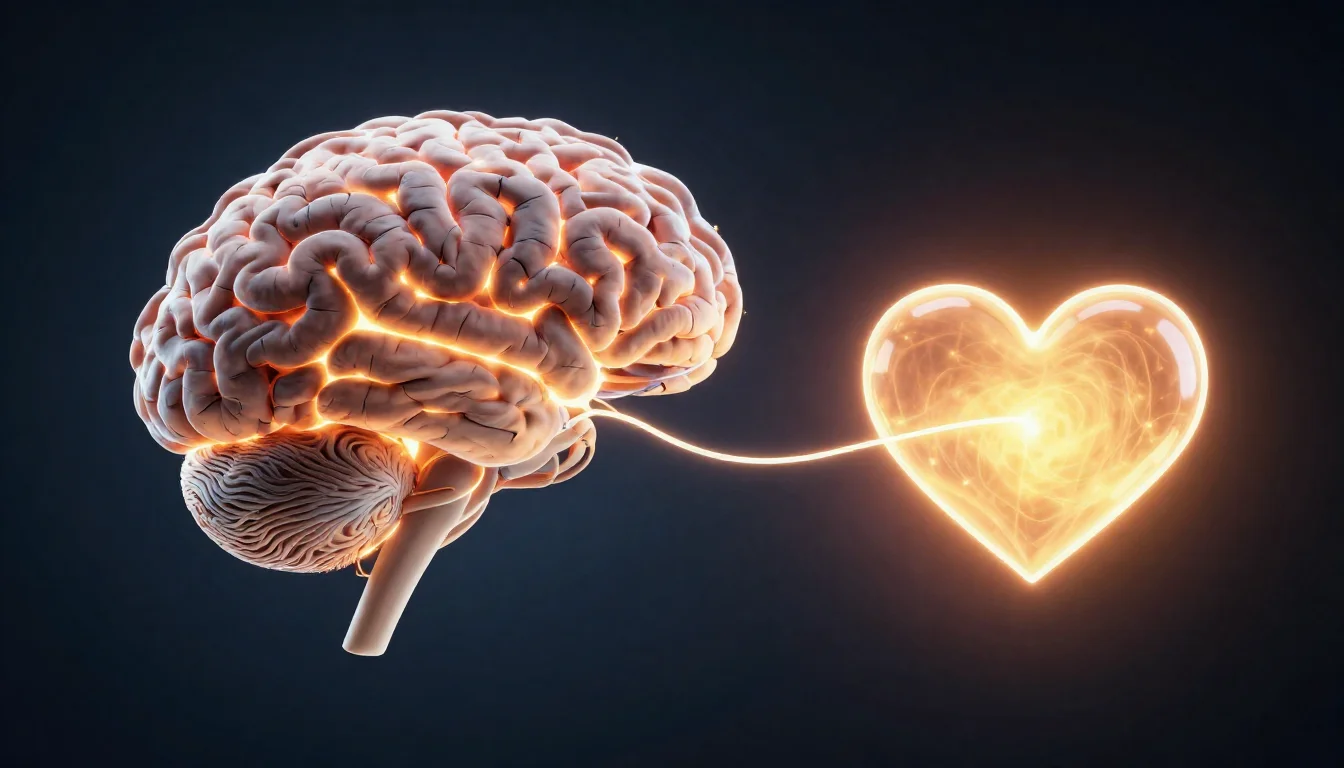
Introduction to Emotional Intelligence
Emotional intelligence (EI) is a complex yet critical concept that encompasses the ability to recognize, understand, and manage our own emotions, as well as the emotions of others. This capacity is essential for effective communication, interpersonal relationships, and overall personal development. In a world increasingly interconnected through personal and professional networks, understanding how to define emotional intelligence becomes a pivotal skill, allowing individuals to navigate various social situations more adeptly.
The significance of emotional intelligence extends into multiple areas of daily life. In personal relationships, individuals with high emotional intelligence can empathize with their partners, resolve conflicts amicably, and foster deeper connections. In professional settings, EI is equally vital; it enhances teamwork, boosts leadership effectiveness, and cultivates a positive workplace culture. Thus, developing an understanding of emotional intelligence is not merely an academic exercise but a practical requirement in today’s society.
As society evolves, the demands placed on individuals in personal and professional contexts have shifted, underscoring the need for refined emotional skills. Recognizing and managing one’s emotional state can lead to improved decision-making, sharpened coping mechanisms, and enhanced resilience against stress. Moreover, helping individuals understand and interpret the emotions of others can significantly improve collaboration, negotiation, and influence—key components in both personal and workplace success.
In summary, comprehending how to define emotional intelligence is fundamental for navigating life effectively. Developing this skill set not only prepares individuals for challenges but also enriches their interactions, ultimately leading to more fulfilling relationships and effective professional collaborations.
Historical Background of Emotional Intelligence
The term “emotional intelligence” (EI) was first introduced in 1995 by psychologist Daniel Goleman in his influential book titled “Emotional Intelligence: Why It Can Matter More Than IQ.” Goleman’s work popularized the concept, emphasizing the ability to recognize and manage one’s own emotions, as well as the emotions of others. However, the foundations of emotional intelligence trace their origins back to earlier psychological theories.
In the 1980s, researchers at Yale University, Peter Salovey and John D. Mayer, were pivotal in formally defining emotional intelligence. They conceptualized it as the ability to monitor feelings and emotions, enabling individuals to utilize this information to guide thinking and action. This significant framework laid the groundwork for subsequent investigations into the topic and underscored its relevance in personal and professional contexts.
Prior to the formal establishment of emotional intelligence as a recognized theory, various educators and psychologists had delved into the importance of emotion in human behavior. The concept of social intelligence, for instance, provided a basis for understanding emotional capacities needed to navigate social environments. Early formulations of social intelligence highlighted the necessity of emotional awareness as a fundamental component of interpersonal relationships.
Throughout the subsequent years, various scholars have contributed to the discussion surrounding emotional intelligence, expanding its definition and relevance. For example, the work of Reuven Bar-On introduced the Emotional Quotient Inventory (EQ-i), which assessed emotional and social competencies. Such contributions have been integral in promoting emotional intelligence as a vital aspect of psychological research, education, and corporate leadership.
In conclusion, the evolution of emotional intelligence reflects a growing recognition of the importance of emotions in human interaction. Understanding how to define emotional intelligence is crucial as it continues to shape leadership paradigms and personal development approaches in contemporary society.
The Five Components of Emotional Intelligence
Emotional intelligence (EI) is composed of five critical components: self-awareness, self-regulation, motivation, empathy, and social skills. Understanding these elements is essential for anyone looking to grasp how to define emotional intelligence in practical terms.
Self-awareness refers to the ability to recognize and understand one’s emotions, strengths, weaknesses, and values. An individual with high self-awareness can accurately assess their emotional state and its impact on their thoughts and behaviors. For instance, a professional who acknowledges their stress during a high-pressure project can seek support and manage their reactions more effectively, enhancing collaboration with colleagues.
Self-regulation involves the capacity to manage one’s emotions and impulses. This includes maintaining control over emotional responses and staying adaptable in challenging situations. For example, in a heated meeting, a leader who practices self-regulation can remain calm, thereby fostering a constructive dialogue and preventing conflict escalation.
Motivation, as a component of emotional intelligence, reflects an individual’s drive to pursue goals for intrinsic reasons rather than external rewards. People with high emotional intelligence often display a strong inner drive and commitment to personal and professional objectives. For instance, a salesperson motivated by a genuine desire to help clients rather than merely achieving quotas can build trust and long-term relationships.
Empathy is another pivotal aspect of emotional intelligence, which entails the ability to understand and share the emotions of others. In the workplace, empathetic individuals can relate to their colleagues’ experiences and provide support, leading to a more collaborative environment. For example, a manager who understands an employee’s struggles with work-life balance can offer flexible solutions, improving team morale.
Finally, social skills encompass the proficiency in managing relationships and navigating social networks. This includes effective communication, conflict resolution, and the ability to inspire and influence others. A team leader demonstrating strong social skills can effectively motivate their team, leading to increased productivity and improved workplace dynamics.
Understanding these five components of emotional intelligence is crucial, as they significantly influence personal interactions and professional success.
The Role of Emotional Intelligence in Personal Relationships
Emotional intelligence (EI) plays a crucial role in the dynamics of personal relationships. It encompasses the ability to understand, manage, and express one’s own emotions while also recognizing and influencing the emotions of others. When individuals apply emotional intelligence in their interpersonal interactions, they can communicate more effectively, resolve conflicts, and nurture deeper connections.
Effective communication is a cornerstone of any successful relationship, whether romantic, familial, or platonic. Those with high emotional intelligence are adept at articulating their feelings and needs clearly, which encourages open dialogue. For instance, in a disagreement, a person with EI can express their emotions without resorting to blame or criticism. They might say, “I feel overlooked when my opinions aren’t considered,” instead of accusing the other person of being dismissive. This approach invites a collaborative discussion rather than a defensive reaction, fostering an atmosphere of mutual respect.
Moreover, emotional intelligence is instrumental in conflict resolution. Individuals who are emotionally intelligent are skilled at empathizing with others’ perspectives, which allows them to address conflicts with sensitivity. For example, during a misunderstanding, an emotionally intelligent person may actively listen to the other party, acknowledge their feelings, and work towards a compromise. This not only resolves the immediate conflict but also strengthens the relationship by building trust and understanding.
Lastly, emotional intelligence helps foster deeper connections. By being attuned to their own emotions and the emotions of others, individuals can create empathetic bonds that are foundational for meaningful relationships. They are able to celebrate others’ successes and offer support during difficult times, enhancing relational closeness.
Emotional Intelligence in the Workplace
Emotional intelligence (EI) plays a crucial role in shaping workplace dynamics. It encompasses the ability to recognize, understand, and manage one’s own emotions, as well as the capacity to empathize with others. In professional environments, employers seek individuals with strong EI because these skills contribute significantly to effective leadership and teamwork.
Leaders who possess high emotional intelligence are adept at navigating the complexities of interpersonal interactions. They can inspire and motivate their teams, effectively manage conflicts, and build trusting relationships. Such leaders understand their own emotional triggers and can remain composed under pressure, which fosters a stable working environment. Moreover, this self-awareness enables them to assess the emotional states of their colleagues, allowing them to address concerns promptly and sensitively.
Teamwork thrives in an atmosphere enriched by emotional intelligence. When team members demonstrate empathy and understanding toward one another, collaboration becomes more seamless. Individuals with high EI are more likely to listen actively, provide constructive feedback, and resolve conflicts amicably. This not only leads to improved team performance but also enhances social cohesion, which is essential for maintaining morale and productivity.
Furthermore, organizations that prioritize emotional intelligence contribute to developing a positive work culture. Such environments promote open communication, where employees feel valued and understood. This inclusivity bolsters employee satisfaction and engagement, leading to reduced turnover rates and increased loyalty. In addition, teams that embody emotional intelligence often exhibit greater resilience in the face of challenges, as they can rely on each other for support and encouragement.
Ultimately, the significance of emotional intelligence in the workplace cannot be overstated. By focusing on how to define emotional intelligence and effectively integrating it into organizational practices, companies can cultivate a harmonious and productive work environment that benefits all members.
Assessing Emotional Intelligence
Understanding how to define emotional intelligence effectively involves evaluating its various components. Assessment is crucial as it helps individuals identify their emotional strengths and weaknesses, leading to personal growth and improved interpersonal relationships. Several tools and methods are available for assessing emotional intelligence, which can provide insights into one’s emotional competencies.
Self-assessments are a popular method for evaluating emotional intelligence. These assessments typically consist of questionnaires where individuals reflect on their emotional awareness, empathy, and ability to manage emotions in themselves and others. By answering candidly, individuals can gain valuable insights about their emotional responses in different situations. However, self-assessments may have limitations due to potential bias in self-perception.
Emotional intelligence tests are another effective method for assessment. These standardized tests often measure various dimensions of emotional intelligence, including emotional perception, regulation, and utilization. Some well-regarded tests include the Mayer-Salovey-Caruso Emotional Intelligence Test (MSCEIT) and the Emotional Quotient Inventory (EQ-i). These tests provide objective data that can help individuals understand their emotional capabilities and areas for improvement.
Furthermore, feedback from peers and mentors is a vital aspect of assessing emotional intelligence. Colleagues can provide diverse viewpoints on an individual’s emotional skills, particularly regarding collaboration, conflict resolution, and empathy in the workplace. Constructive feedback can be instrumental in identifying blind spots and fostering development.
By using a combination of self-assessments, standardized tests, and peer feedback, individuals can achieve a comprehensive understanding of their emotional intelligence. This multifaceted approach not only facilitates personal growth but also emphasizes the importance of evaluating emotional competencies for effective communication and relationship building.

Developing Emotional Intelligence Skills
Enhancing emotional intelligence involves employing various practical strategies that can significantly improve one’s ability to understand, manage, and utilize emotions effectively. One of the primary methods to aid in the development of emotional intelligence is through mindfulness practices. Mindfulness allows individuals to focus on the present moment, helping to cultivate self-awareness by encouraging a non-judgmental observation of one’s thoughts and feelings. Such awareness is foundational when learning how to define emotional intelligence, as it provides insights into personal emotional triggers and responses.
Another vital skill in this context is active listening. This technique goes beyond simply hearing words; it involves engaging attentively with the speaker, understanding their emotional undertones, and responding appropriately. By practicing active listening, individuals can foster deeper connections with others, which enhances interpersonal relationships and aids in resolving conflicts gracefully. Active listening demonstrates validation, encouraging open dialogues that are essential in effectively navigating emotional landscapes.
Empathetic communication is also a crucial aspect of developing emotional intelligence. This involves expressing understanding and compassion towards others’ feelings. By incorporating empathy into interactions, individuals can strengthen social bonds, facilitate deeper engagement, and promote a supportive environment. Utilizing empathetic communication requires acknowledging diverse perspectives, which is a significant component of emotional intelligence itself.
Furthermore, establishing a routine for self-reflection can provide individuals with a clearer understanding of their emotional reactions and behaviors. Journaling, for instance, is an effective tool for reflecting on emotional experiences, thereby enhancing self-regulation and awareness. Collectively, these strategies form a holistic approach to not only understanding how to define emotional intelligence but also actively cultivating it, leading to personal and professional growth.
Benefits of High Emotional Intelligence
High emotional intelligence (EI) yields a plethora of advantages that significantly enhance various aspects of life. One of the most notable benefits is improved mental health. Individuals with elevated emotional intelligence are more adept at managing their emotions and stress levels. They exhibit greater resilience in the face of adversity, fostering a positive outlook that is crucial for mental well-being. This heightened awareness allows them to identify and address emotional triggers effectively, thereby reducing the risk of anxiety and depression.
Another significant area impacted by high emotional intelligence is workplace performance. Individuals with strong EI are often better equipped to navigate the complexities of interpersonal relationships in a professional setting. They excel in collaboration and teamwork, as high emotional intelligence fosters effective communication and understanding among colleagues. Research has shown that employees with high emotional intelligence contribute to a more harmonious work environment and are more likely to take on leadership roles, driving team success and innovation.
Furthermore, enhanced emotional intelligence leads to improved relationships in both personal and social contexts. People with high EI demonstrate empathy, which allows them to connect with others on a deeper level. This fosters trust and loyalty, enhancing both personal and professional relationships. Emotional intelligence also enables individuals to recognize and respond appropriately to the emotional states of others, reducing conflicts and promoting cooperative interactions.
Overall life satisfaction is yet another benefit linked to high emotional intelligence. When individuals are attuned to their emotions and those of others, they cultivate healthier relationships, reduce stress, and foster a positive self-image. These elements collectively contribute to a fulfilling and balanced life. The ability to define emotional intelligence encompasses understanding these numerous benefits, highlighting its indispensable role in personal development and success.
Conclusion: The Future of Emotional Intelligence
As we explore the intricate landscape of emotional intelligence (EI), it becomes increasingly evident that understanding how to define emotional intelligence is essential for personal and professional growth. This concept involves not only recognizing one’s own emotions but also understanding the emotions of others, leading to improved interpersonal relationships and enhanced communication skills. The components of emotional intelligence encompass self-awareness, self-regulation, social awareness, and relationship management, all of which play a vital role in our daily interactions.
The importance of emotional intelligence in modern life cannot be understated. It serves as a foundation for effective leadership, conflict resolution, and teamwork in diverse environments. With workplaces becoming more collaborative and interconnected, the demand for emotionally intelligent individuals continues to rise. Professionals equipped with strong emotional intelligence are better positioned to navigate the complexities of human emotions, respond to challenges, and foster a positive work culture.
Furthermore, as we progress into an era that values soft skills alongside technical abilities, investing time in developing emotional intelligence skills can lead to long-term benefits. Enhancing one’s EI can contribute to better decision-making, reduced stress, and improved overall well-being. Individuals who cultivate their emotional intelligence often enjoy enriched personal relationships and attain greater career success.
In light of these considerations, it is recommended for individuals, educators, and organizations alike to prioritize emotional intelligence development. Whether through formal education or self-directed learning, taking steps to enhance EI is a proactive approach to preparing for the future’s emotional complexities. In this way, we not only improve ourselves but also contribute to a more empathetic and resilient society.
Also read miserdefinition.com
Email: johanharwen314@gmail.com
Author Name: Johan Harwen