Intorduction
You have probably driven past a quick-lube shop a hundred times and wondered whether a conventional oil change is still worth your time and money. Maybe your dashboard light just flickered on, or maybe you are trying to figure out whether your older car really needs what the dealership says it needs. Either way, you are in the right place.
A conventional oil change is one of the most basic and most important things you can do for your engine. It uses mineral-based motor oil refined directly from crude petroleum. It is the traditional option that has kept millions of engines running for decades. And in many situations, it is still the smartest, most cost-effective choice you can make.
In this guide, you will learn everything about the conventional oil change: what it is, how it works, when you need it, how much it costs, and how it stacks up against synthetic alternatives. You will also find answers to the most common questions drivers ask. Let us get into it.
What Is a Conventional Oil Change?
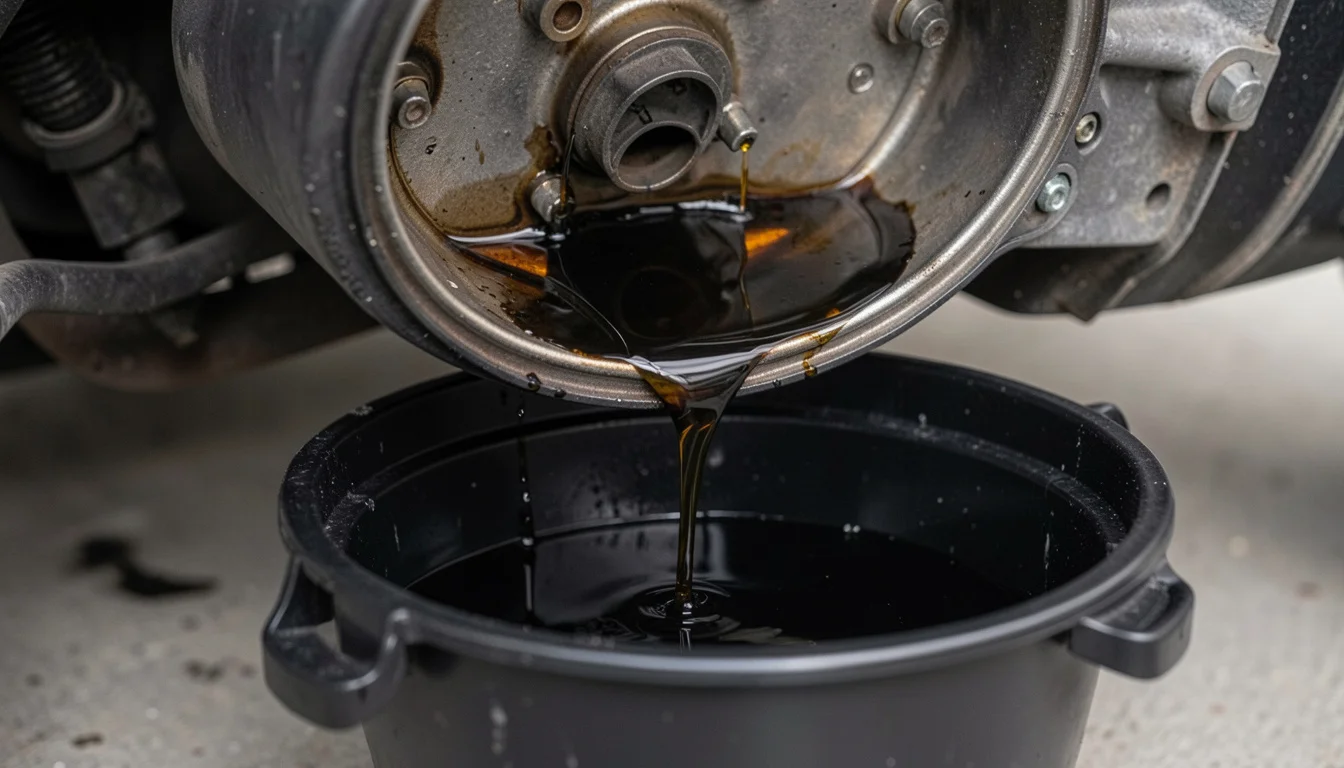
A conventional oil change means draining the old motor oil from your engine and replacing it with fresh conventional oil, which is also called mineral oil or standard oil. The process also involves swapping out the oil filter. That is it in its simplest form.
Conventional oil comes from refining crude oil pulled from the ground. It contains natural lubricating compounds that reduce friction between your engine’s moving metal parts. When you skip a conventional oil change, that oil breaks down, gets dirty, and stops protecting your engine effectively.
The conventional oil change has been the automotive standard for over a century. Even today, it remains the go-to service for older vehicles, high-mileage engines, and drivers looking for reliable maintenance at an affordable price.
How Does It Differ From a Synthetic Oil Change?
Synthetic oil is engineered in a lab to have a more uniform molecular structure. It flows better in cold weather, lasts longer between changes, and handles extreme heat more effectively. However, it costs more per quart and may not be necessary for every vehicle.
A conventional oil change typically costs between $25 and $50, while a full synthetic oil change can run $65 to $125. If your car was built before 2000, runs mostly short local trips, or your manufacturer still recommends conventional oil, you do not need to upgrade. The conventional oil change does exactly what your engine needs.
Why the Conventional Oil Change Still Matters in 2025
Some people think the conventional oil change is outdated. It is not. Tens of millions of vehicles on the road today still run perfectly on conventional oil. According to the U.S. Bureau of Transportation Statistics, the average age of a passenger vehicle in the United States is over 12 years. Many of those older engines were designed specifically around conventional oil specifications.
Getting a conventional oil change on schedule keeps your engine clean, reduces wear, and extends the life of your vehicle. Neglecting it is one of the fastest ways to cause engine damage that could cost you thousands of dollars.
Key Benefits of a Conventional Oil Change
- Reduces engine friction and wear on metal components
- Removes sludge, dirt, and contaminants that build up over time
- Keeps engine temperatures regulated by reducing heat buildup
- Protects gaskets and seals from drying out and cracking
- Costs significantly less than synthetic options
- Widely available at virtually every auto shop and quick-lube center
How Often Should You Get a Conventional Oil Change?
The old rule was every 3,000 miles. You have probably seen that number on stickers at quick-lube shops. For many older vehicles, that guideline still holds up. However, modern engines with improved tolerances can often go 5,000 to 7,500 miles between a conventional oil change.
The most reliable way to know your correct interval is to read your owner’s manual. Your manufacturer has tested your specific engine and provided the recommended service schedule. Following it protects your warranty and your engine.
Signs You Need a Conventional Oil Change Right Now
Do not wait until your oil light comes on. By that point, your engine may already be running low and at risk of damage. Watch for these warning signs that tell you a conventional oil change is overdue:
- Your oil appears dark brown or black on the dipstick instead of amber or light brown
- You hear knocking or ticking sounds coming from your engine
- The oil smells burnt when you pull the dipstick
- Your oil level is low and you keep having to add more between changes
- Your check engine or oil pressure light flickers on
If you notice any of these, schedule a conventional oil change as soon as possible. Waiting makes the problem worse.
What Happens During a Conventional Oil Change?
If you have never watched a conventional oil change happen, here is a simple breakdown of the process so you know exactly what you are paying for.
- The technician lifts your vehicle or drives it over a pit for access to the undercarriage.
- The drain plug on the oil pan is removed and the old oil drains out completely.
- The old oil filter is removed and discarded.
- A new oil filter is installed and the drain plug is replaced and tightened.
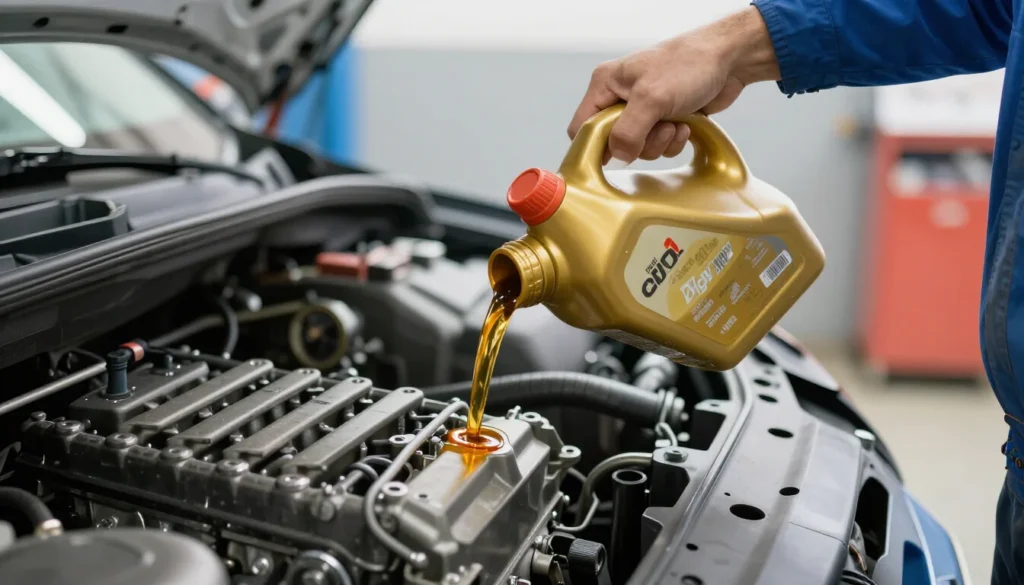
- Fresh conventional oil is added through the oil fill cap on top of the engine.
- The technician checks the oil level and looks for any leaks.
- A service sticker is placed on your windshield with the next recommended conventional oil change mileage.
The entire conventional oil change process usually takes 15 to 30 minutes at a professional shop.
Conventional Oil Change Cost: What Should You Expect to Pay?
One of the biggest reasons drivers choose a conventional oil change is the price. It is genuinely affordable. Here is a general breakdown of what you can expect to pay in 2025:
- Quick-lube chains (Jiffy Lube, Valvoline, Firestone): $25 to $55
- Independent local mechanic: $20 to $45
- Dealership service center: $35 to $75
- DIY conventional oil change at home: $15 to $30 for oil and filter
Compared to a synthetic oil change, which can cost two to three times as much, the conventional oil change gives you reliable protection at a fraction of the price. For drivers on a budget, it is a smart and practical choice.
DIY Conventional Oil Change vs. Going to a Shop
Some drivers prefer to do their own conventional oil change at home to save money. It is absolutely possible with basic tools, the right oil grade, and a compatible filter. However, if you are not comfortable working under a car or you are short on time, a professional shop makes the process fast, clean, and stress-free.
One thing to keep in mind: a professional conventional oil change comes with a technician who also checks your fluid levels, tire pressure, and other basic systems. That extra set of eyes can catch small problems before they become expensive ones.
Who Should Stick With a Conventional Oil Change?
Not every car needs synthetic oil, and not every driver needs to spend more. A conventional oil change is the right choice for several types of drivers and vehicles.
- Older vehicles built before 2000 that were designed for conventional oil specifications
- Drivers with high-mileage engines over 75,000 miles who have always used conventional oil
- People who drive mostly short local trips at low to moderate speeds
- Anyone whose manufacturer still specifies conventional oil in the owner’s manual
- Drivers working with tight budgets who need reliable maintenance at a lower cost
If any of those describe you, a conventional oil change is not a downgrade. It is the appropriate service for your vehicle and your situation.
Conventional Oil Change Intervals by Vehicle Type
The right conventional oil change interval depends on your vehicle, how you drive, and your environment. Here is a general breakdown:
Standard Passenger Cars
Most standard cars built after 2000 need a conventional oil change every 5,000 to 7,500 miles. If your car was built before 2000, stick closer to the 3,000-mile mark. City driving, frequent short trips, and stop-and-go traffic are harder on oil and may require more frequent changes.
Trucks and SUVs
Trucks and SUVs that carry heavy loads or tow trailers put more stress on the engine. If you frequently tow or haul, schedule a conventional oil change closer to every 3,000 to 5,000 miles. The oil degrades faster under heavy use.
High-Mileage Vehicles
If your car has over 75,000 miles and has always used conventional oil, keep using it. Switching to synthetic on a high-mileage engine can sometimes cause leaks because synthetic oil is thinner and flows into gaps that conventional oil would not reach. A conventional oil change with a high-mileage additive formula is often the smarter long-term choice.
Conventional Oil Change vs Synthetic: The Real Comparison
This comparison comes up constantly, and the answer is not as one-sided as synthetic oil marketing would have you believe. Let us break it down honestly.
- Cost: A conventional oil change wins clearly. It costs up to 60% less per service.
- Interval: Synthetic lasts 10,000 to 15,000 miles. Conventional lasts 3,000 to 7,500 miles.
- Cold weather performance: Synthetic flows better in freezing temperatures.
- High heat performance: Synthetic holds up better under extreme heat and turbo conditions.
- Compatibility: Conventional oil is recommended or acceptable for millions of older vehicles.
If you calculate total annual cost, a conventional oil change done every 5,000 miles costs about the same as a synthetic change done every 10,000 miles. For many drivers, the conventional oil change is the equally efficient choice when you run the actual numbers.
Where to Get a Conventional Oil Change Near You
You have plenty of options when it comes to booking a conventional oil change. The key is finding a place you trust that uses the right oil grade for your vehicle.
Quick-Lube Chains
Jiffy Lube, Valvoline Instant Oil Change, Midas, and Firestone are all popular options. They are fast, widely available, and usually offer a conventional oil change package that includes the filter and a basic vehicle check. Many offer coupons and loyalty discounts.
Independent Mechanics
A trusted local mechanic often charges less than a chain for a conventional oil change. You also tend to get more personalized service and a technician who gets to know your specific vehicle over time. Building that relationship has real value.
Dealerships
If your car is still under warranty, getting a conventional oil change at the dealership ensures everything meets manufacturer specifications. It also gives you a documented service history, which matters if you ever plan to sell the vehicle.
Tips for Getting the Most Out of Your Conventional Oil Change
A conventional oil change is only as effective as the habits around it. Here are practical tips to make the most of every service:
- Always use the oil viscosity your owner’s manual specifies, such as 5W-30 or 10W-40.
- Keep the service sticker on your windshield and check your mileage regularly.
- Check your oil level with the dipstick at least once a month, not just at service time.
- If you notice any oil dripping under your car, check for a leak before your next conventional oil change.
- Keep a simple maintenance log to track every conventional oil change you complete.
- Ask the technician to check your air filter, brake fluid, and coolant while you are in for service.
Common Myths About Conventional Oil Changes, Debunked
Myth 1: You Always Need to Change at 3,000 Miles
The 3,000-mile rule was created decades ago for older engines and older oil formulas. Today, many vehicles can go 5,000 to 7,500 miles on a conventional oil change without any harm. Always check your manual before assuming you need the most frequent schedule.
Myth 2: Switching From Conventional to Synthetic Is Always Better
For some older or high-mileage engines, switching away from a conventional oil change to synthetic can actually cause problems. Synthetic oil is thinner and may seep through worn seals. If your car has high mileage and has always run on conventional oil, stay the course.
Myth 3: Black Oil Means You Waited Too Long
Dark oil is not always a crisis. Oil turns darker as it collects combustion byproducts and does its job. The color alone does not tell you whether the oil is past its protective capacity. Use your mileage interval as the primary guide for scheduling a conventional oil change.
The Conventional Oil Change Market: Who Is Competing for Your Business?
The conventional oil change market remains one of the largest segments in the automotive service industry. The global automotive oil change service market was valued at over $7 billion in 2023 and continues to grow steadily. Here are the major players competing for drivers’ business:
- Jiffy Lube: One of the largest conventional oil change chains in North America with over 2,000 locations.
- Valvoline Instant Oil Change: Known for fast service and staying in your car during the conventional oil change.
- Firestone Complete Auto Care: Offers a conventional oil change as part of a full-service automotive model.
- Midas: Combines conventional oil change services with broader auto repair.
- Take 5 Oil Change: A newer competitor known for drive-through style conventional oil change service with minimal wait time.
The competition benefits you as a consumer. Shops regularly run promotions, coupons, and loyalty programs for conventional oil change services. It pays to compare prices in your area before booking.
The Future of Conventional Oil Changes in an EV World
Electric vehicles do not need an oil change at all. As EV adoption grows, the conventional oil change market will eventually shrink. However, that shift will take decades. The vast majority of vehicles on the road today run on internal combustion engines that require regular oil service.
According to the International Energy Agency, internal combustion engine vehicles will still make up the majority of the global fleet well into the 2030s. For the foreseeable future, the conventional oil change remains an essential service for hundreds of millions of drivers worldwide.
Major chains are already adapting by expanding into EV tire services, battery checks, and cabin filter replacements. However, the conventional oil change remains the cornerstone service that drives traffic into shops every single day.
Conclusion: The Conventional Oil Change Still Earns Its Place
The conventional oil change is not glamorous, but it is one of the most dependable, cost-effective things you can do to protect your vehicle. It keeps your engine clean, reduces friction, removes harmful buildup, and extends the life of your car. For millions of drivers, it is exactly the right service at exactly the right price.
You do not need to overspend on synthetic oil if your manufacturer recommends conventional. You do not need to stress about the 3,000-mile rule if your manual says 5,000. What you do need is to stay on schedule and treat your engine with the consistent care it deserves.
When was your last conventional oil change? If you cannot remember, that is your answer. Book it today, and your engine will thank you for years to come.
Frequently Asked Questions About Conventional Oil Changes
1. How long does a conventional oil change take?
A conventional oil change typically takes 15 to 30 minutes at a quick-lube center or mechanic. The process is straightforward and does not require lengthy diagnostic work.
2. How much does a conventional oil change cost?
A conventional oil change typically costs between $25 and $75 depending on your location and the shop you choose. Independent mechanics usually charge less than chains or dealerships.
3. Is a conventional oil change okay for my car?
A conventional oil change is perfectly fine for most older vehicles, high-mileage engines, and cars whose manufacturers specify standard mineral oil. Check your owner’s manual to confirm what your specific engine requires.
4. Can I switch from conventional to synthetic oil?
You can switch from a conventional oil change to synthetic in most cases. However, on older or high-mileage engines, switching can sometimes trigger seal leaks. Consult your mechanic before making the change on a vehicle with over 100,000 miles.
5. What happens if I skip a conventional oil change?
Skipping a conventional oil change allows oil to break down, thicken into sludge, and lose its ability to lubricate your engine. Over time, this causes accelerated wear, overheating, and potentially catastrophic engine failure.
6. Is a conventional oil change better than synthetic for older cars?
For many older cars, a conventional oil change is the preferred service. Older engines have more tolerances and seal types that work best with mineral-based oil. Synthetic may flow into gaps that conventional oil would not.
7. What oil viscosity should I use for a conventional oil change?
The correct viscosity for your conventional oil change is printed in your owner’s manual. Common grades include 5W-30, 10W-30, and 10W-40. Using the wrong viscosity can reduce engine protection.
8. Does a conventional oil change include a new filter?
Yes, a standard conventional oil change includes replacing the oil filter along with the oil itself. Always ask to confirm this if you are using a new shop, as it is a critical part of the service.
9. How do I know if my car needs a conventional oil change?
Check your mileage against your last service sticker, look at your oil on the dipstick, and listen for any knocking from your engine. These are the fastest ways to know whether a conventional oil change is due.
10. Can I do a conventional oil change at home?
Yes, a DIY conventional oil change is possible with a drain pan, a filter wrench, the right oil grade, and a new filter. Many drivers do it themselves to save money. Just make sure to dispose of the used oil properly at a local recycling center.
About the Author
Johan Harwen is an automotive content specialist with over eight years of experience writing about vehicle maintenance, engine care, and consumer auto services. He has written for several leading automotive publications and believes that understanding your car’s basic needs, starting with a timely conventional oil change, is the most important thing any driver can do. When he is not writing, Jordan restores classic American trucks and teaches weekend mechanics clinics at his local community center.
Also read miserdefinition.com
Email: johanharwen314@gmail.com
Author Name: Johan Harwen