Introduction
If you grew up eating Sunday breakfast at Bob Evans, you probably felt a small jolt when you heard the news. The Bob Evans company sold its restaurant chain again, and this time the buyer is a New York investment firm called 4×4 Capital. You might wonder what this means for your local diner, your favorite biscuits, or the staff who greet you by name.
This is not the first time Bob Evans has changed hands. The brand has gone through a quiet but eventful ownership journey since 2017. You will learn exactly who bought the company, why the sale happened now, and what changes you can expect on your next visit.
We will walk through the company background, what it sells, where it stands in the crowded restaurant market, how it makes money, who its biggest rivals are, and what the future looks like. By the end, you will understand the full story behind the Bob Evans company sold headlines, without the confusing jargon.
Company Introduction
Bob Evans started in 1948 as a twelve stool diner in Gallipolis, Ohio. A farmer named Bob Evans wanted a place where truckers and locals could get an honest breakfast made from real ingredients. That simple idea grew into one of the most recognized family dining brands in America.
For decades, the restaurant chain and a packaged food business operated under one roof. You could eat at a Bob Evans restaurant on Saturday morning and then buy Bob Evans sausage at the grocery store the same afternoon. That changed in 2017 when the parent company split itself into two separate businesses.
A Quick Timeline
Here is the ownership story in simple terms.
- 1948: Bob Evans opens its first diner in Gallipolis, Ohio.
- 1950s to 2016: The restaurant chain and food brand grow together under Bob Evans Farms, Inc.
- 2017: The restaurant division sells to Golden Gate Capital for 565 million dollars. The packaged food business sells separately to Post Holdings for 1.5 billion dollars.
- 2022: Golden Gate explores a 600 million dollar sale of the restaurants, but no deal closes.
- 2024: Golden Gate hires investment bank Kroll to run a fresh sale process.
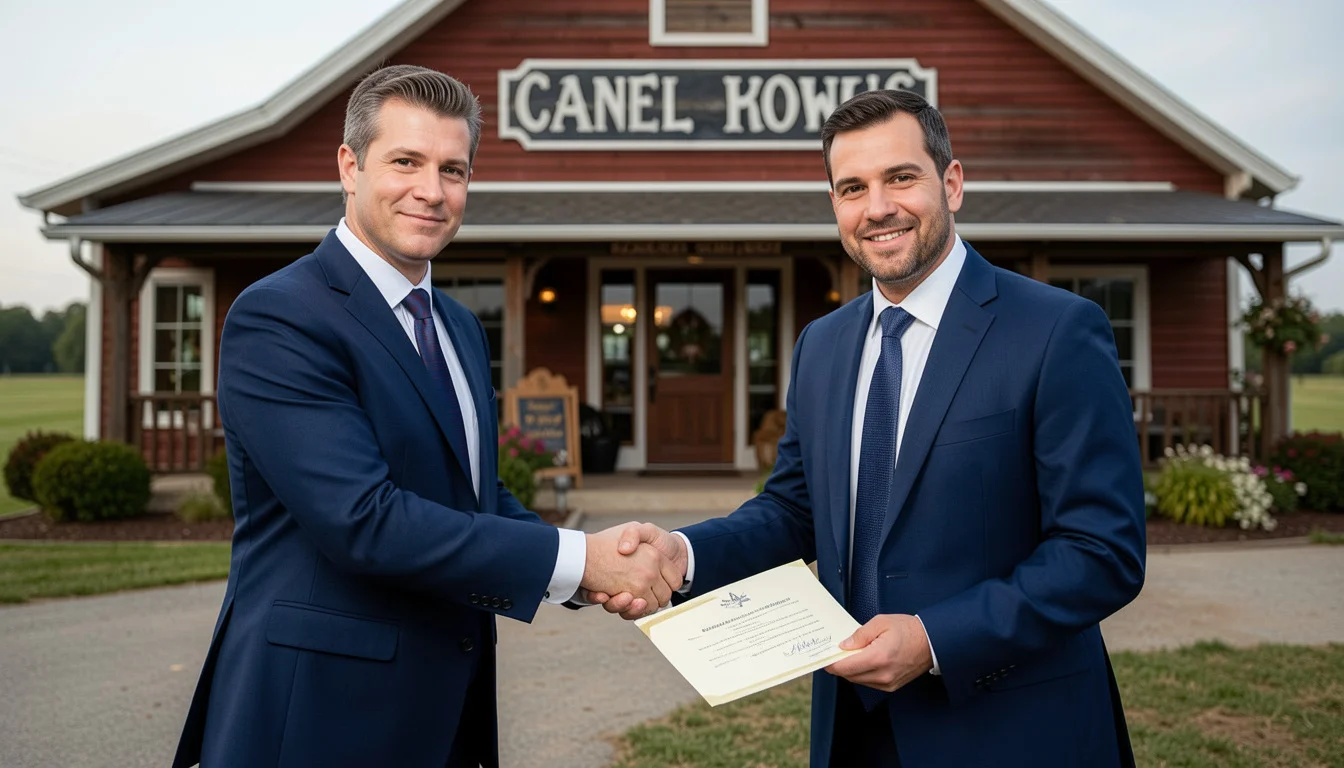
- February 2026: 4×4 Capital acquires Bob Evans Restaurants from Golden Gate Capital.
This is why people now search for the Bob Evans company sold story. It has unfolded in stages over nearly a decade, not in a single dramatic event.
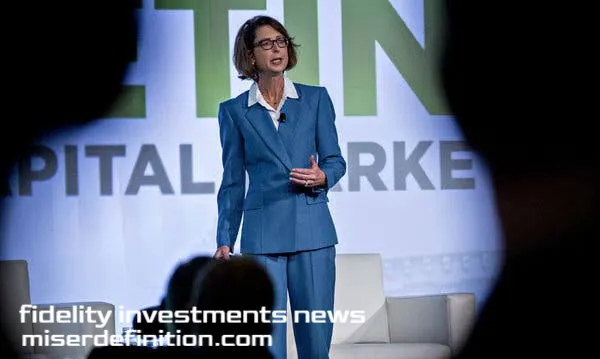
Today Bob Evans Restaurants is headquartered in New Albany, Ohio. The chain runs more than 400 locations across 18 states and employs over 15,000 people. CEO Mickey Mills has led the brand through this latest transition and will continue running the company under its new owner.
Services and Products
Bob Evans built its reputation on comfort food made the old fashioned way. You will recognize the menu instantly if you have ever visited one of its dining rooms.
What You Can Order
The restaurant menu focuses on hearty, homestyle dishes.
- Breakfast plates, including the well known Farmer’s Choice Breakfast
- Slow roasted turkey dinners, often featured around holidays
- Pot roast, prepared low and slow for hours
- Steaks, chicken, and seafood entrees
- Burgers, sandwiches, and soups
- Fresh baked bread made daily in house
- Salads and a rotating list of seasonal desserts
I find it interesting that Bob Evans still slow roasts its turkey for around six hours and cooks pot roast for closer to nine hours. That kind of preparation time is rare in casual dining today, where speed often wins over tradition.
Beyond the Dining Room
Bob Evans also leans on its farm heritage as part of its identity. The brand supports community and neighborhood initiatives tied to agriculture, which helps it stand apart from chains that feel more corporate. You are not just buying a meal. You are buying into a story about family farms and Midwest hospitality.
It is worth noting that the packaged food side of the business, things like refrigerated mashed potatoes and sausage rolls you find in grocery stores, is no longer part of this restaurant company. Post Holdings owns that division separately, so when people talk about the Bob Evans company sold news in 2026, they mean the restaurant chain specifically.
visit…..
Market Position
Bob Evans sits in the family style or casual dining segment, a category that has had a rough decade. You have likely noticed fewer chain restaurants in your area than you remember from ten years ago. That trend has touched Bob Evans too.
The chain operated 522 locations in 2017. Today that number sits closer to 420. This decline is not unique to Bob Evans. Many full service casual chains have struggled to grow new locations while managing rising labor and food costs.
Why the Brand Still Matters
Despite fewer locations, Bob Evans holds a few advantages that keep it relevant.
- Brand recognition. Most Americans over 30 know the name, even if they have not visited recently.
- Loyal customer base. Families return generation after generation for the same comfort dishes.
- Strong regional presence. The Midwest and parts of the East Coast remain core territory.
- A clear identity. Farm fresh ingredients and homestyle cooking give it a story competitors cannot easily copy.
You could say Bob Evans is a legacy brand with staying power, even in a tough market. That is exactly why investors keep circling it. A brand with built in trust and decades of customer loyalty is valuable, even when unit counts shrink.
Revenue Model
So how does Bob Evans actually make money? The model is straightforward once you break it down.
Core Revenue Streams
- Dine in sales. The majority of revenue still comes from guests eating at restaurant locations.
- Takeout and delivery. Like most chains, Bob Evans has expanded off premise ordering to capture customers who want comfort food at home.
- Catering and holiday meals. Turkey dinners and family style holiday catering bring in seasonal spikes, especially around Thanksgiving and Easter.
- Loyalty and rewards programs. Repeat visit incentives encourage higher visit frequency, which matters more than ever in a competitive market.
Unlike many fast food brands, Bob Evans does not rely heavily on a large franchise network. Most locations operate as company run restaurants, which gives leadership tighter control over quality and pricing but also means the company carries more direct operating costs.
This structure explains part of why ownership has changed hands so often. Private equity firms look at a brand like this and see opportunity in tightening operations, renegotiating supply costs, and investing in remodels, all of which can boost profit margins without needing to open hundreds of new locations.
Competitors
Bob Evans does not compete in a vacuum. You have plenty of similar options if you are craving a homestyle breakfast or a comfort food dinner.
Direct Competitors
- Cracker Barrel. Perhaps the closest match in terms of menu style and Southern hospitality branding.
- Denny’s. A 24 hour diner chain that recently changed ownership as well, selling for 620 million dollars in late 2025.
- IHOP. Strong in breakfast and brunch, with a larger national footprint.
- Golden Corral. Competes on value and buffet style family dining.
The Bigger Picture
The full service casual dining space has seen a wave of ownership changes recently, and Bob Evans is part of a larger pattern. California Pizza Kitchen sold itself to a group of investors. Hooters, Bravo, Brio, and Bar Louie all went through Chapter 11 restructuring and emerged under new owners. Denny’s changed hands too.
I think this tells you something important. Investors are not abandoning casual dining. They are betting on brands with strong identities and loyal customers, while steering clear of chains without a clear point of difference. Bob Evans, with its farm story and decades of trust, fits the profile investors want.
Future Plans
Now to the part you probably care about most. What happens next at Bob Evans?
What 4×4 Capital Has Said
4×4 Capital describes itself as a firm that focuses on middle market consumer goods and services companies. It already invests in FitCrunch, a protein snack brand, and Yelloh, the frozen food delivery service formerly known as Schwan’s Home Delivery.
According to the company’s own statements, the priorities for Bob Evans going forward include the following.
- Enhancing operations. Investing in guest experience and overall brand identity.
- Ensuring stability. Maintaining community engagement and neighborhood farming initiatives that are core to the brand.
- Maximizing growth. Using a hands on partnership approach to drive long term value.
CEO Mickey Mills will remain in her role, and her leadership team stays in place. That continuity matters. You are far less likely to see jarring menu changes or a sudden shift in tone when the people running daily operations stay the same.
visit……..
What This Means for You
Here are the most common questions people ask after a sale like this, answered simply.
- Will the menu change? No immediate changes have been announced. Most ownership transitions try to protect popular dishes rather than overhaul them.
- Will restaurants close? There is no announcement of widespread closures. Any future closures would likely follow individual location performance rather than a blanket decision tied to the sale.
- Will prices go up? This has not been addressed publicly, but investment firms typically look to improve margins through operational efficiency first, not just price hikes.
- Will quality drop? Leadership continuity under Mickey Mills suggests the brand intends to protect its reputation for scratch made food.
If 4×4 Capital follows through on its stated playbook, you can expect renovations, smarter operations, and a renewed push on guest experience rather than a dramatic identity shift.
Benefits
Why does this sale actually matter to you, beyond curiosity? A few real benefits come from this kind of ownership change.
For Customers
- Fresh investment often means restaurant remodels and updated technology for ordering and rewards.
- Stable leadership reduces the risk of abrupt menu or service changes.
- Renewed focus on guest experience can mean shorter wait times and better service consistency.
For Employees
- New ownership with growth ambitions can create more advancement opportunities.
- A firm focused on long term value, rather than a quick flip, tends to invest more in training and retention.
For the Brand
- A new owner with capital to invest can modernize aging locations.
- Active ownership models, like the one 4×4 Capital describes, often bring operational expertise that boosts efficiency.
- A clear long term strategy can stabilize a brand that has been rumored to be for sale on and off since 2022.
In my view, the most reassuring detail in this whole story is leadership continuity. When a brand keeps its CEO and team after a sale, it usually signals confidence in what is already working, not a plan to tear it down and rebuild from scratch.
Conclusion
The Bob Evans company sold story is really a story about resilience. A 78 year old brand built on a roadside sausage stand has survived a corporate split, multiple attempted sales, and a tough decade for casual dining. It has landed with an owner that says it wants to invest in growth rather than cut costs and walk away.
You now know the full picture. The restaurant chain split from its packaged food business back in 2017. Golden Gate Capital owned it for nearly nine years before selling to 4×4 Capital in February 2026. The leadership team stayed in place, the menu has not changed, and the new owner has publicly committed to enhancing operations while protecting the brand’s farm fresh identity.
What do you think this means for the future of family dining chains like Bob Evans? Have you noticed changes at your local location since the news broke? Share your thoughts, and if you found this breakdown useful, pass it along to a fellow Bob Evans fan who has been asking the same questions.
FAQs
1. When was the Bob Evans company sold? The restaurant chain sold to Golden Gate Capital in 2017 for 565 million dollars. Golden Gate then sold it to 4×4 Capital in February 2026.
2. Who owns Bob Evans restaurants now? 4×4 Capital, a New York based investment firm, owns Bob Evans Restaurants as of February 2026.
3. Who owns the Bob Evans packaged food brand? Post Holdings owns the Bob Evans food brand, including sausage and refrigerated side dishes sold in grocery stores. That sale happened separately in 2017.
4. Why was Bob Evans sold again in 2026? Private equity firms typically hold assets for around five years before selling. Golden Gate Capital held Bob Evans far longer than usual before finding the right buyer through a process run by Kroll.
5. Will Bob Evans restaurants close after the sale? No widespread closures have been announced. Any future closures would likely depend on individual location performance, not the ownership change itself.
6. Is the Bob Evans menu changing? No immediate menu changes have been announced. The new owner has emphasized protecting the brand’s core identity and popular dishes.
7. Who is the CEO of Bob Evans after the sale? Mickey Mills continues as CEO and will keep leading the company under the new ownership.
8. How many Bob Evans locations are there today? Bob Evans operates more than 400 restaurants across 18 states, down from 522 locations in 2017.
9. What other restaurant chains have sold recently? Denny’s sold for 620 million dollars in late 2025. California Pizza Kitchen, Hooters, Bravo, Brio, and Bar Louie have also changed ownership recently.
10. What does 4×4 Capital plan to do with Bob Evans? 4×4 Capital says it plans to invest in operations, guest experience, and brand identity while keeping current leadership and community initiatives in place.
Read More….
Author Bio
Written by Sarah Mitchell, a business journalist who covers restaurant industry trends, mergers, and brand transitions. Sarah has spent over six years writing about consumer companies for trade publications, with a focus on how ownership changes affect everyday customers and employees. She holds a background in business reporting and enjoys breaking down complex corporate deals into stories anyone can understand: