
Tournament Overview
The FIFA World Cup stands as one of the most prestigious sporting events globally, drawing the attention of millions of fans from virtually every corner of the world. First held in 1930, this tournament was established to bring together nations through the game of football (soccer) and has since evolved into a symbol of international unity and competition. Over the decades, it has not only grown in terms of the number of participating teams but has also significantly increased its global popularity, reflected in the recent findings that Brazil and England lead World Cup fan popularity rankings.
The World Cup takes place every four years, allowing countries to compete for the ultimate prize in football. The tournament structure includes a qualification phase, where teams from various regions vie for a limited number of spots. Following the qualification rounds, the final competition culminates in a month-long event where teams battle through the group stage and knockout rounds, ultimately leading to the championship match. This format has proven effective in engaging fans and increasing their investment in the tournament.
The sheer number of viewers during the World Cup showcases its vast reach, with billions of people tuning in to watch the matches. The enthusiasm generated leads to varied economic impacts on host countries, turning the tournament into a significant event on the global sports calendar. The overwhelming joy expressed by fans, especially from nations like Brazil and England, highlights the cultural importance of the tournament and how it fosters a sense of national pride. As we continue through the ages, the World Cup maintains its trajectory of growth, inspiring generations of football lovers and uniting nations in a shared passion for the sport.
Qualified Teams
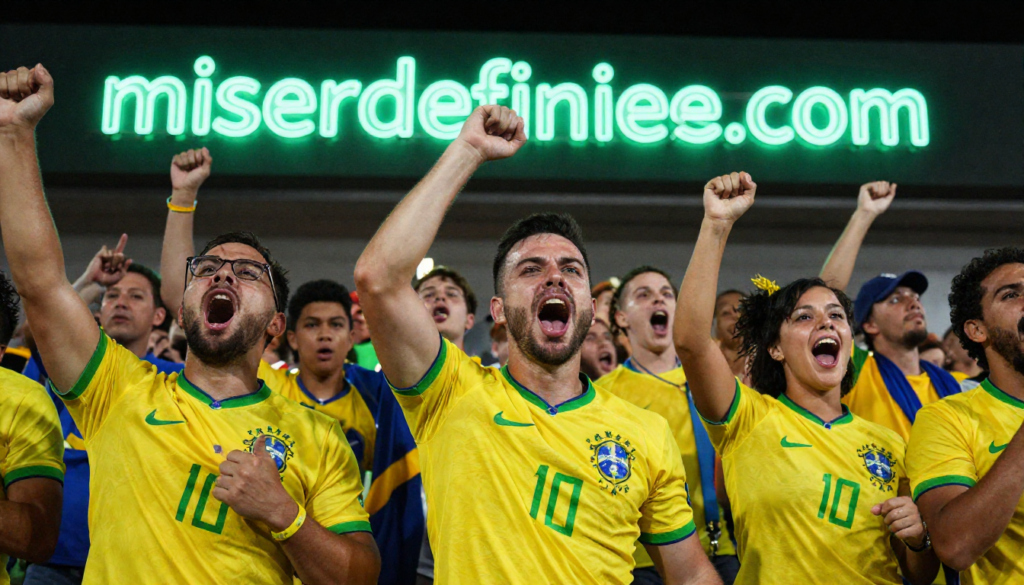
The World Cup is the pinnacle of international football, showcasing the very best in the sport. Each tournament features teams that have earned their place through qualifying matches, with only the top contenders vying for the ultimate glory. Notably, Brazil and England lead the World Cup fan popularity rankings, reflecting their rich football history and significant achievements on the global stage.
Brazil, often identified as the most successful national team in World Cup history, has qualified for every tournament since its inception in 1930. The Seleção boasts a record five championships, characterized by legendary players and a distinctive playing style that has captivated fans worldwide. Their journey to qualification is typically marked by strong performances in South American qualifiers, demonstrating the team’s resilience and footballing prowess.
England, the birthplace of football, has also made a considerable mark in World Cup history. Known for their 1966 victory, they have a passionate fan base and a rich footballing tradition. Their qualification process involves competing within the UEFA zone, where they often face stiff competition. With a squad filled with young and talented players, England’s chances in the tournament often inspire hope among their supporters, further contributing to their popularity among World Cup fans.
In addition to Brazil and England, other notable teams that have qualified for this tournament include France, Germany, and Argentina. Each has its unique story of qualification and historical significance in World Cup competitions. The blend of new talent and experienced players enhances the anticipation of the event, promising exciting matches that resonate with fans and highlight the beautiful game.
Group Stage Analysis
The group stage of the World Cup is often a critical juncture that sets the stage for a team’s journey in the tournament. The dynamics of various matchups not only highlight the skills of the players but also engage the fans, whose passionate support plays an influential role in shaping team morale. With Brazil and England leading the fan popularity rankings, their respective performances during this stage of the competition are under heightened scrutiny.
Brazil’s group is typically regarded as highly competitive, featuring teams that are capable of surprising outcomes. Known for their flair and technical prowess, Brazil often enters the tournament with a strong reputation. Their fan base, which is one of the largest worldwide, can provide a boost, creating an electrifying atmosphere that motivates players on the pitch. Such support may positively influence their performance, encouraging them to play at their best despite the pressure of expectations.
England, paralleling Brazil in fan popularity, also brings a talented squad to the World Cup. Historically, England’s performances have garnered immense attention, and the loyalty of their supporters can significantly impact the players’ mental strength. The group stage for England often involves matchups that can define their path forward, and the morale stemming from their fans surely plays a pivotal role in their approach to each game.
It is important to analyze the group stage matchups closely to appreciate how these teams blend tactical strategies with the fervor of their fan base. As Brazil and England lead the world cup fan popularity rankings, their success in the tournament may be strongly linked to not just their technical abilities, but also the unwavering support from their enthusiastic fans. This interplay between fan engagement and on-field performance is crucial, underscoring the significance of having a loyal fan base in high-stakes competitions.
Star Players
The FIFA World Cup is not only a prestigious tournament but also a grand stage for showcasing some of the most exceptional talent in football. At the forefront are Brazil and England, who lead the World Cup fan popularity rankings, largely driven by their star players. For Brazil, the spotlight often shines on Neymar Jr., known for his unmatched dribbling skills and innovative playing style. Neymar’s agility and ability to read the game allow him to create scoring opportunities both for himself and his teammates. His previous World Cup appearances have not only highlighted his goal-scoring capabilities but also his role as a fan favorite, often drawing massive crowds and media attention.
Meanwhile, England boasts a formidable talent in Harry Kane, the team captain and prolific striker. With a keen sense for goal, Kane has become synonymous with English football. His scoring ability and leadership on the pitch have made him a pivotal figure for the national team. Kane’s prowess in front of goal along with his vision and passing skills increases England’s competitiveness, making him a player to watch during the tournament.
Beyond just these two nations, other notable players also emerge on the global stage. Lionel Messi of Argentina remains a significant contender, captivating fans with his extraordinary skills and career achievements. His dedication to the sport and ability to deliver under pressure adds another layer of excitement to the World Cup. Similarly, Cristiano Ronaldo of Portugal adds to the allure, known for his physicality and work ethic, which has earned him a dedicated fanbase worldwide.
As Brazil and England lead the world in fan popularity, the excitement surges with these star athletes who have the potential to turn games and influence the tournament’s outcome. Their individual brilliance not only contributes to their teams but also plays a crucial role in attracting a global fan following, further enriching the experience of the World Cup.
Match Schedule
The FIFA World Cup, a grand event that unites football fans globally, is characterized by a meticulously planned match schedule. This year, the tournament will feature a range of matches that appeal to a massive audience, particularly fans from Brazil and England, who fervently support their national teams. The matches are set to take place over a month, starting on November 21, 2023, with the final scheduled for December 18, 2023. The excitement begins with the group stage matches, followed by the knockout rounds, culminating in the much-anticipated final.
The exact timing of each match is crucial for fan engagement, especially for supporters of Brazil and England who are known for their passionate following. Most matches are scheduled to occur in the afternoon and evening local time, making it more feasible for enthusiasts to watch in stadiums or from their homes, regardless of their geographical location.
For those fans who decide to travel to the host country, the venues will play a significant role in shaping their experience. Matches will be held in state-of-the-art stadiums across several cities, providing an opportunity for Brazilian and English supporters to immerse themselves in the vibrant atmosphere of World Cup football. Travel plans will need to be arranged well in advance, as these games draw massive crowds, and accommodations are likely to fill quickly when the schedule is released.
In essence, the World Cup match schedule not only frames the tournament itself but also serves as a conduit for fan interaction and connection. The dedication of Brazilian and English supporters, in particular, highlights the profound impact that this schedule has on their overall engagement, whether they are cheering in the stands or celebrating from afar.
Venue Details
The FIFA World Cup is not merely a collection of matches; it is an extraordinary celebration of sport that takes place in magnificent venues across diverse locations. Among the leading nations, Brazil and England stand out, not only for their rich footballing heritage but also for the iconic stadiums that enhance the fan experience during the tournament.
In Brazil, the Estádio do Maracanã in Rio de Janeiro is perhaps the most famous. Originally built in 1950 and refurbished for the 2014 World Cup, this colossal stadium has a capacity of over 78,000 spectators. Its history is steeped in memorable moments, including Brazil’s 2002 World Cup victory. The vibrant atmosphere within the Maracanã, coupled with its passionate fans, makes it a focal point of excitement for anyone attending a match.
In contrast, England’s Wembley Stadium, which reopened in 2007, is equally pivotal in the world of football. With a seating capacity of approximately 90,000, it is the largest stadium in the UK. Unique features such as its iconic arch and advanced facilities not only cater to football but also other major events, solidifying its importance in global sports culture. Both Maracanã and Wembley serve as historical and cultural landmarks, drawing football fans from all over the globe to witness their countries’ efforts in the World Cup.
These venues not only represent the heart and soul of football in Brazil and England, but they also accentuate the countries’ dedication to nurturing a world-class sporting experience. The design and atmosphere of each stadium contribute significantly to the fan experience, making these locations memorable for generations of fans, regardless of the eventual outcomes of the matches taking place.
Predictions
The upcoming World Cup presents an intriguing scenario, particularly for fans of Brazil and England. Their current standings atop the fan popularity rankings serve not only as a measure of engagement but also as factors influencing their prospects in the tournament. Brazil, with its rich footballing history and remarkable skillset, has long been a contender favored by many. The fervor surrounding their supporters is palpable, with vibrant displays of national pride undoubtedly impacting their performance on the pitch.
England, on the other hand, has seen a resurgence in its footballing prowess in recent years. The blend of emerging talent and experienced veterans offers a balanced squad capable of taking on the world’s best. The high fan engagement levels suggest a nation rallying behind its team, engendering a spirit that can spur the players on during challenging matches. This emotional support has the potential to elevate performance standards, particularly in high-stakes games where pressure can lead to decisive outcomes.
Expert opinions vary, but many analysts posit that Brazil’s historical pedigree in World Cup tournaments combined with their immense fan support could lead to a deep run through the knockout stages. Conversely, England’s adaptability and tactical finesse can be viewed as critical advantages that might propel them into the latter stages of the competition. While predictions in sports can often be treacherous, the popularity and support for these two nations unveil a narrative filled with excitement and anticipation for what lies ahead in the world of football.
Frequently Asked Questions about the World Cup
The FIFA World Cup is one of the most prestigious tournaments in the world, capturing the hearts of millions across the globe. With Brazil and England leading the world cup fan popularity rankings, many viewers seek to understand the tournament better. Below are some frequently asked questions that highlight critical components of the event.
1. What are the eligibility requirements for teams?
Each national team must qualify for the World Cup through a series of qualification matches held over a two to three-year period. The tournament itself is generally held every four years, inviting the best teams across continents to showcase their skills and compete for the coveted title.
2. How are the matches structured?
The World Cup typically features a group stage followed by knockout rounds. In the group stage, teams are divided into groups where they play each other in a round-robin format. The top teams from each group progress to the knockout stages, ensuring high-stakes matches as teams vie to remain in contention.
3. How can fans engage with the tournament?
Fans can engage in multiple ways, including watching matches in stadiums, tuning in through broadcast channels, or following updates on social media platforms. Various fan zones and events are organized, especially in countries like Brazil and England, offering immersive experiences for supporters to unite and celebrate their teams.
4. What are the game rules that fans should know?
Understanding the basic rules is essential for any fan. Key rules include offside regulations, fouls, and the guidelines for penalties. Comprehending these rules enhances the viewing experience and allows fans to appreciate the strategic elements of the game.
This section provides insight into common queries related to the tournament. Engaging with these FAQs can help fans, whether seasoned or new, enrich their World Cup experience as Brazil and England continue to resonate in fan popularity.
Conclusion
The data analyzed throughout this article clearly demonstrates that Brazil and England lead the World Cup fan popularity rankings. Their passionate and engaged fan bases significantly enhance the atmosphere during the tournament, creating a vibrant and electrifying experience not just for the teams on the pitch, but for everyone involved—from players to spectators. This overwhelming enthusiasm often translates into a rich cultural representation, which makes the FIFA World Cup a unique global event.
Brazil’s storied football tradition, combined with their remarkable accomplishments in the sport, creates an enduring appeal for fans both at home and internationally. The country’s vibrant culture and the deep-rooted connection between its people and football contribute to its ranking as one of the frontrunners in fan popularity. Similarly, England’s historical significance as the birthplace of the sport has cultivated a dedicated follower base that consistently shows unwavering support during World Cup tournaments.
The implications of this fan fervor extend beyond mere rankings. As passionate supporters elevate the tournament’s experience, they also influence the hosting nation’s economy and highlight the importance of fan engagement in shaping the future of the World Cup. Additionally, the significant fan presence from these two nations might attract future host countries to consider cultural factors and fan experience as paramount elements when organizing the tournament. In summation, Brazil and England’s prominent positions in fan popularity serve as a testament to the power of football to unite and energize audiences worldwide, leaving a lasting impact on the future of the World Cup.
Also read miserdefinition.com
Email: johanharwen314@gmail.com
Author Name: Johan Harwen