Introduction
Imagine a shirt that tracks your heartbeat while you run, or socks that warn you about pressure points before a blister forms. That is not science fiction anymore. That is wearables clothing, and it is changing the way we think about what we wear every day.
You have probably heard of smartwatches and fitness bands. But wearables clothing takes things a step further. Instead of strapping a gadget to your wrist, the technology becomes part of the fabric itself. It sits close to your skin, moves with your body, and quietly gathers data you can actually use.
In this article, we will break down what wearables clothing really means, how it works, and why it is grabbing so much attention in fashion, healthcare, and sports. We will also look at real examples, compare it to fitness trackers, and answer the questions people search for most.
What Is Wearable Clothing?
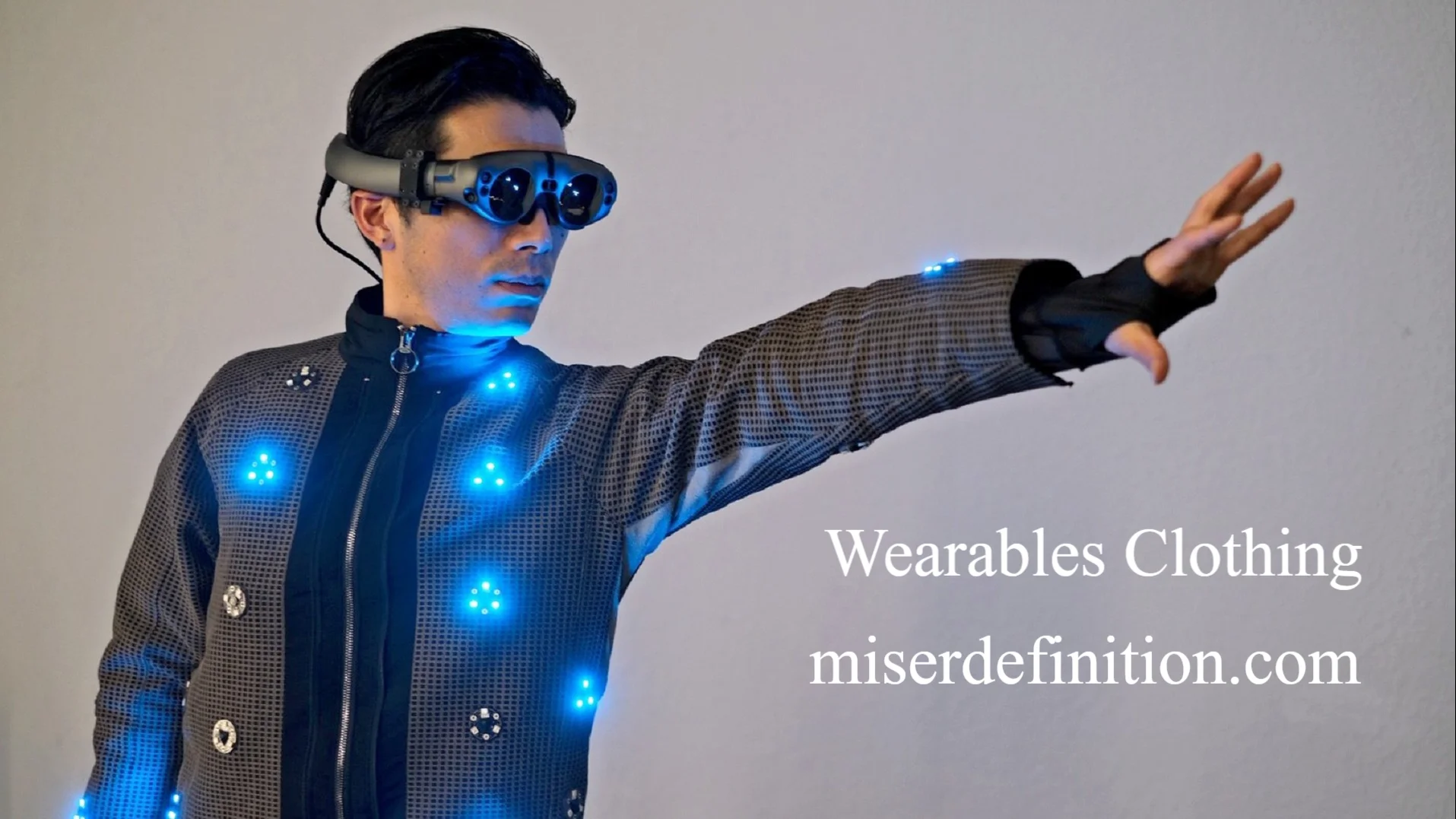
Wearable clothing refers to garments that combine ordinary fabric with electronic components or smart materials. These clothes look and feel like regular clothing, but they carry hidden features such as sensors, conductive threads, or tiny chips.
The goal is simple. Wearables clothing should collect information about your body or environment without getting in your way. You should be able to wear it, wash it, and forget it is even doing anything special, until you check the data.
What Is Smart Wearable Clothing?
Smart wearable clothing is a more advanced version of the same idea. It usually connects to your phone or another device through Bluetooth. This connection lets you view the data collected by the garment in real time.
Smart clothing can include features like:
- Heart rate monitoring built into a shirt
- Temperature control in jackets
- Motion tracking in sportswear
- Posture alerts in office wear
Basically, if a piece of clothing can sense something and share that information with you, it falls under the smart wearable clothing category.
How Does Wearable Clothing Work?
Wearables clothing works by weaving technology directly into the fabric. Manufacturers use conductive fibers instead of regular thread in certain areas. These fibers can carry small electrical signals, just like wires, but they remain soft and flexible.
Tiny sensors get stitched or printed onto the fabric. These sensors pick up signals such as heart rate, breathing rate, muscle activity, or body temperature. A small module, often removable for washing, processes this data and sends it to an app on your phone using Bluetooth.
The whole system relies on three main parts working together. The textile itself, the sensors and conductive threads, and the software that turns raw signals into useful information you can actually read.
What Are Examples of Wearable Clothing?
You might be surprised how many types of wearables clothing already exist. Here are some popular examples.
- Smart shirts that track heart rate and breathing during workouts
- Smart jackets with built in heating panels for cold weather
- Sensor enabled sportswear that measures muscle activity and movement
- Smart socks that monitor foot pressure and gait for runners
- Connected gloves that track hand movement for physical therapy
- Smart bras that monitor heart rate for female athletes
Each of these products targets a specific need, whether that is performance, comfort, or health monitoring.
What Is The Difference Between Wearable Clothing And Regular Clothing?
Regular clothing does one job. It covers you, keeps you warm, and reflects your style. Wearables clothing does all of that too, but it adds a layer of function on top.
Here is a quick comparison.
- Regular clothing has no data collection ability
- Wearables clothing gathers information through embedded sensors
- Regular clothing needs no charging or app connection
- Wearables clothing often needs occasional charging and syncing with a phone
- Regular clothing focuses only on style and comfort
- Wearables clothing balances style, comfort, and function together
The price also differs. Smart garments usually cost more because of the technology packed inside them.
What Are The Benefits Of Smart Clothing?
Smart clothing offers several advantages that regular clothes simply cannot match.
Better Health Awareness
Smart clothing lets you monitor your body continuously instead of taking occasional readings. This gives a fuller picture of your health over time.
Improved Athletic Performance
Athletes use smart clothing to track muscle fatigue, movement patterns, and recovery. Coaches can then adjust training plans based on real data instead of guesswork.
Enhanced Safety
Workers in construction or mining sometimes wear smart vests that monitor vital signs and alert supervisors during emergencies. This kind of wearables clothing can genuinely save lives.
Everyday Convenience
Some smart jackets adjust temperature automatically, so you stay comfortable without fiddling with layers. That is a small but meaningful upgrade to daily life.
Can Wearable Clothing Track Health And Fitness?
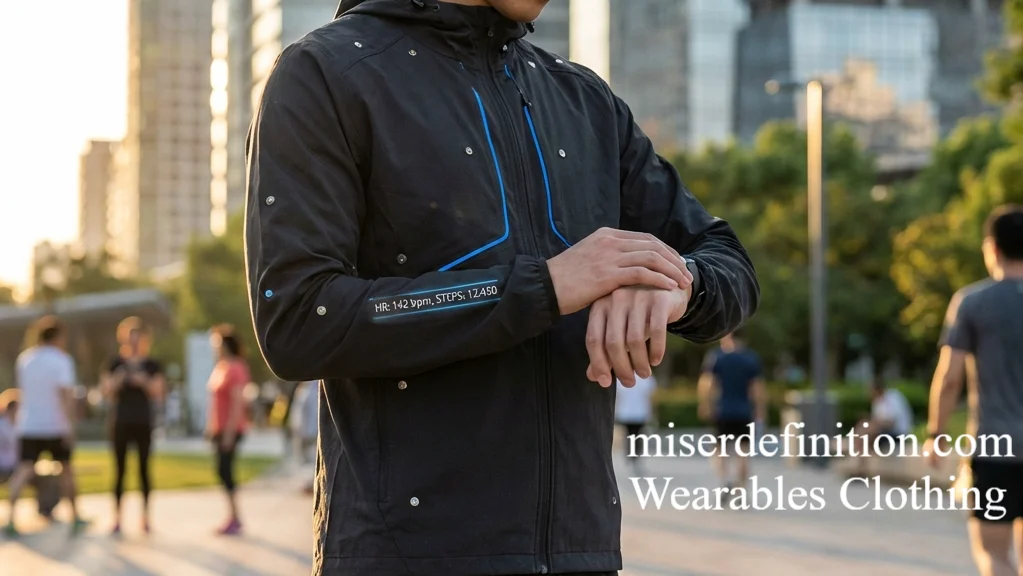
Yes, this is actually one of the biggest reasons people buy wearables clothing in the first place. Smart shirts and sports bras can track heart rate with accuracy close to medical devices. Smart socks measure pressure distribution to help prevent injuries during running.
Some smart garments even monitor sleep quality by tracking breathing patterns and movement throughout the night. Since the sensors sit directly against your skin, the readings tend to be more consistent than a wrist based device that can shift position while you sleep.
I have tried a smart fitness shirt myself during training sessions, and honestly, seeing real time heart rate data on my phone made it easier to know when to push harder and when to slow down.
What Technology Is Used In Smart Clothing?
Several technologies come together to make wearables clothing possible.
- Conductive fibers that carry electrical signals through fabric
- Flexible sensors that detect movement, temperature, or heart rate
- Bluetooth modules that send data to connected apps
- Battery packs, often small and removable for washing
- Machine learning algorithms that interpret patterns in the collected data
Researchers are also experimenting with washable circuits and solar powered fabric, which could reduce the need for constant charging in the future.
Is Wearable Clothing The Future Of Fashion?
Many designers and tech companies certainly believe so. Wearables clothing sits at the intersection of fashion, textiles, and electronics, and that combination is only getting stronger. Fashion houses are now collaborating with tech firms to create garments that look stylish while still offering smart features.
That said, wearables clothing still faces challenges. Battery life, washing durability, and cost remain concerns for everyday shoppers. But as materials improve and prices drop, smart garments are likely to become as common as fitness trackers are today.
How Are Sensors Integrated Into Clothing?
Sensors get integrated into clothing through a few different methods.
- Weaving conductive thread directly into the fabric during production
- Printing flexible sensors onto the textile surface using special ink
- Attaching small removable modules that snap onto the garment
- Embedding thin sensor patches between fabric layers for comfort
Each method balances comfort, durability, and function differently. Woven sensors tend to last longer and feel more natural, while removable modules make washing easier.
Wearable Clothing Versus Smartwatches And Fitness Trackers
Smartwatches and fitness trackers sit on your wrist and measure limited data points like steps, heart rate, and sleep. Wearables clothing, on the other hand, covers a larger area of your body, which allows for more detailed and accurate readings.
For example, a smart shirt can track breathing patterns and posture, something a wristband simply cannot do well. However, smartwatches remain more affordable and require less maintenance. Many people actually use both together for a fuller picture of their health.
Final Thoughts
Wearables clothing brings together fashion, textiles, and electronics in a way that feels natural rather than forced. From smart shirts that monitor your heart rate to socks that protect your feet during long runs, this technology is quietly becoming part of everyday life.
Would you try wearables clothing yourself, or do you prefer sticking to a traditional fitness tracker? Whatever you choose, keep an eye on this space. It is only going to grow.
Frequently Asked Questions
Is wearables clothing safe to wash? Most smart garments are washable, though you usually need to remove the electronic module first. Always check the care label before washing.
Does wearables clothing need charging? Yes, most smart clothing needs occasional charging for the electronic components, similar to charging a smartwatch.
Is wearables clothing expensive? Prices vary widely. Basic smart fitness shirts can be affordable, while advanced medical grade garments cost significantly more.
Can wearables clothing replace a doctor visit? No, wearables clothing helps you monitor trends in your health, but it should not replace professional medical advice.
What industries use wearables clothing the most? Fitness, healthcare, sports, and workplace safety are the leading industries using wearables clothing today.
Are smart clothes comfortable to wear daily? Yes, most manufacturers focus heavily on comfort, since people will not wear uncomfortable clothing regularly, no matter how smart it is.
Do all smart clothes need an app? Most do, since the app is where you view and analyze the data collected by the garment.
miserdefinition.com
Author Name: Hamid Ali
Email: johanharwen314@gmail.com
Author Bio: Hamid Ali is a content writer who enjoys exploring how technology reshapes everyday products, from fashion to fitness gear. He focuses on making complex topics simple and relatable for everyday readers.