Introduction
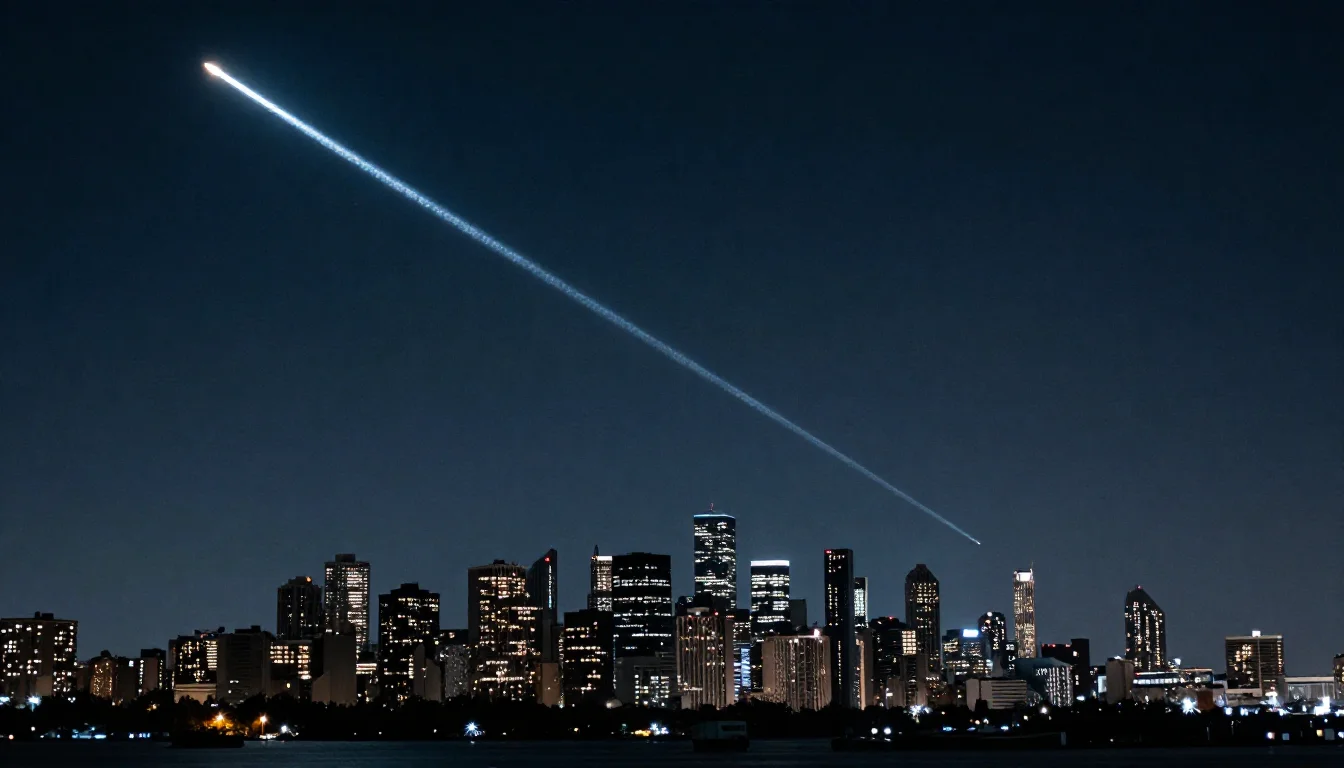
If you have been following the news lately, you already know that the Iran attack Israel situation has shaken the entire world. This is not just a regional dispute between two neighboring enemies. It is a conflict that has pulled in the United States, threatened global oil supplies, and brought the Middle East closer to all-out war than at any point in modern history.
The Iran attack Israel story did not begin overnight. It has been building for decades through proxy wars, covert operations, nuclear standoffs, and direct military strikes. What we are seeing today is the result of years of escalation that finally crossed a point of no return.
In this article, you will get a clear, honest, and up-to-date breakdown of the Iran attack Israel conflict. We cover the root causes, the key timeline, the nuclear factor, the role of the United States, the human cost, and what all of this means for the world going forward.
Why Does Iran Attack Israel? Understanding the Root Causes
To understand why Iran attack Israel incidents keep happening, you need to go back to 1979.
Before the Islamic Revolution, Iran and Israel actually had friendly relations. The Shah of Iran maintained close diplomatic and economic ties with Israel. All of that changed when Ayatollah Khomeini came to power. The new Iranian regime immediately cut all ties with Israel and declared it an illegitimate state.
Since then, Iranian leaders have consistently expressed hostility toward Israel in both words and actions. They have funded groups like Hamas, Hezbollah, and the Houthis specifically to pressure Israel from multiple fronts. Israel, in turn, has treated Iran’s military buildup and nuclear ambitions as an existential threat.
The Nuclear Program: The Core of the Crisis
The single biggest driver behind every Iran attack Israel exchange is Iran’s nuclear program.
Israel has long believed that a nuclear-armed Iran would pose an unacceptable danger to its survival. Iran insists its program is peaceful. But enrichment levels well above what is needed for civilian energy use have made Israel and the United States deeply suspicious.
Key moments in the nuclear standoff include:
- 2010 — The Stuxnet virus, widely attributed to the US and Israel, destroyed Iranian centrifuges at Natanz.
- 2015 — The Iran nuclear deal (JCPOA) temporarily slowed enrichment in exchange for sanctions relief.
- 2018 — The US withdrew from the nuclear deal under President Trump, and Iran resumed aggressive enrichment.
- 2020 onward — A series of sabotage attacks and assassinations of Iranian nuclear scientists escalated covert warfare.
Every time nuclear talks collapsed, the threat of an Iran attack Israel confrontation grew stronger.
The Iran Attack Israel Timeline: From 2024 to 2026
April 2024: Iran’s First Direct Strike
Before April 2024, most Iran attack Israel exchanges happened through proxies. That changed dramatically when Iran launched its first ever direct military strike on Israeli soil.
Iran fired more than 300 missiles and attack drones at Israel in a single night. It was an unprecedented escalation. Israel, working alongside the US, UK, France, and Jordan, managed to intercept the vast majority of incoming fire. Damage on the ground was minimal, but the psychological and strategic impact was enormous.
This was the moment the conflict went from shadow war to open warfare.
October 2024: Back and Forth Strikes
In October 2024, Iran launched a second direct Iran attack Israel barrage, firing roughly 180 missiles at Israeli territory. Israel intercepted most of them but responded five days later with its first ever open strike on Iranian soil, targeting air defense systems and missile infrastructure.
Analysts described the Israeli response as measured. But behind the scenes, Israel was already planning something far larger.
June 2025: The Twelve-Day War
June 2025 marked a turning point that made every previous Iran attack Israel exchange look minor.
On June 13, 2025, Israel launched a massive surprise air campaign against Iran. Warplanes and drones that had reportedly been pre-positioned inside Iran struck the Natanz enrichment facility, killed top Revolutionary Guard commanders, and eliminated key nuclear scientists. Israeli strikes then expanded to cover Iran’s energy sector and military infrastructure.
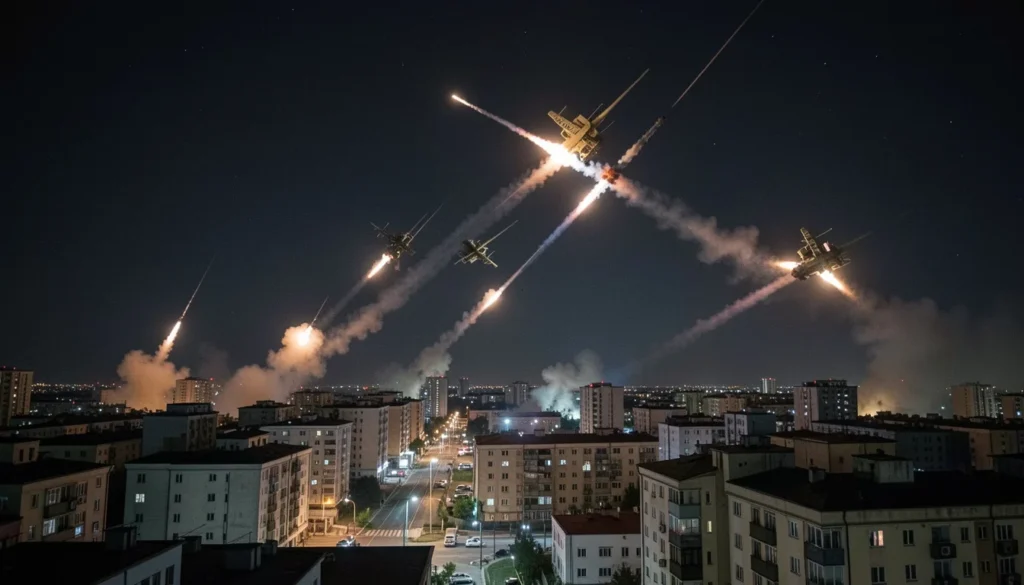
Iran fired back immediately. Missiles struck Israeli cities for days, triggering air raid sirens from Tel Aviv to Haifa. On June 16, Iran launched another wave targeting central and southern Israel. Most missiles were intercepted, but some got through.
The United States joined the offensive on June 22, 2025, striking three Iranian nuclear sites directly. The Houthis in Yemen called this a declaration of war and resumed their missile attacks on Israel.
After twelve days of sustained combat, a ceasefire took hold. But the peace did not last.
February 2026: Operation Epic Fury
The most dramatic Iran attack Israel escalation came on February 28, 2026.
After nuclear negotiations broke down in February 2026, the United States and Israel launched a coordinated military operation that dwarfed anything seen before. In just the first 12 hours, the two allies carried out nearly 900 strikes on Iranian targets in what the US called Operation Epic Fury.
The stated goals were clear: destroy Iran’s nuclear program, degrade its ballistic missile capability, and potentially trigger regime change from within. The operation targeted military leadership, nuclear facilities at Fordow, Natanz, and Isfahan, and key command centers.
Iran retaliated with missile strikes on Israeli cities. The largest single blow came on March 1, 2026, when an Iranian missile struck a residential neighborhood in Beit Shemesh, killing nine Israeli civilians and injuring thousands more.
A ceasefire finally came into effect on April 8, 2026, after 40 days of sustained conflict.
How the Iran Attack Israel Conflict Pulled the World In
This was never just a two-country conflict. The Iran attack Israel situation pulled in players from across the globe.
The United States
The US played a central role. From shooting down Iranian missiles in defense of Israel to launching its own offensive strikes on Iranian nuclear sites in June 2025, Washington became a co-belligerent in the conflict. Operation Epic Fury in February 2026 made the US role official and unmistakable.
The Houthis in Yemen
Every time Iran attack Israel hostilities flared, the Houthis activated. After suspending their Red Sea attacks following a Gaza ceasefire in October 2025, they rejoined the fight on March 28, 2026, launching ballistic missiles at Israeli military sites and vowing to continue until all aggression stopped.
Hezbollah in Lebanon
The 2026 conflict also reignited the Israel-Hezbollah war. Iran’s proxy in Lebanon still possessed thousands of missiles and thousands of fighters. Hezbollah’s re-entry into the fight forced millions of Lebanese civilians to flee, with more than one-sixth of Lebanon’s population displaced.
Gulf Arab States
Iran struck multiple Gulf Arab states in retaliation for their tacit support of the US-Israeli campaign. This left Iran more isolated in the region than it had been in years.
What Has the Iran Attack Israel Conflict Achieved?
This is the question everyone is asking right now.
Impact on Iran’s Nuclear Program
The honest answer is: it is complicated. US intelligence assessments suggested that the June 2025 strikes set Iran’s nuclear program back by months rather than years. The Trump administration pushed back on that assessment, claiming far greater damage was done. The full picture remains unclear.
What is clear is that Iran’s ability to quickly produce a nuclear weapon has been disrupted. Whether it has been permanently stopped is a different question.
Human Cost
The Iran attack Israel conflict has been devastating for ordinary people on both sides. Thousands of Iranians died in the initial US-Israeli strikes. Dozens of Israelis were killed by Iranian missile strikes. Lebanon saw enormous displacement. Gulf Arab states suffered damage from Iranian counter strikes.
You rarely see this part of the story covered in headlines. But the human toll is very real.
Economic Fallout
The conflict severely disrupted traffic through the Strait of Hormuz, one of the world’s most important oil shipping lanes. Fuel shortages hit parts of Asia. Global markets reacted nervously. The ripple effects on energy prices touched people far removed from the conflict zone.
Is There Any Hope for Peace?
As of June 2026, the situation remains fragile.
Israel has warned it will strike Tehran and Hezbollah again if attacked. Iran has not abandoned its ambitions. The ceasefire that began April 8, 2026 has been tested repeatedly. Negotiations between the US and Iran on a new nuclear deal have collapsed more than once.
Inside Iran itself, early 2026 saw widespread public protests driven by a struggling economy and infrastructure failures. The regime suppressed them forcefully. Whether internal pressure eventually changes Iranian policy is something no analyst can predict with certainty.
What is clear is that the Iran attack Israel dynamic will continue to shape Middle Eastern geopolitics for years to come.
Key Takeaways
Here is a quick summary of what you need to know about the Iran attack Israel conflict:
- The conflict has roots in the 1979 Islamic Revolution and decades of proxy warfare.
- Iran’s nuclear program is the central flashpoint that keeps driving escalation.
- The April 2024 direct Iranian strike was the first of its kind in history.
- The June 2025 Twelve-Day War saw Israel, and then the US, strike Iran directly.
- Operation Epic Fury in February 2026 involved nearly 900 strikes in 12 hours.
- A ceasefire began April 8, 2026, but the situation remains volatile.
- The conflict has caused thousands of deaths and massive regional displacement.
- Global oil supply chains and economies felt the impact immediately.
If you are trying to make sense of what is happening in the Middle East, understanding the Iran attack Israel conflict is the place to start. This is the conflict that is defining our era.
Have thoughts on how this conflict could end? Drop them in the comments. Share this article with someone trying to understand what is really going on in the Middle East.
Frequently Asked Questions
1. Why does Iran want to attack Israel? Iran views Israel as an illegitimate state and a threat to Palestinian rights and regional Islamic leadership. Since 1979, Iran has also used hostility toward Israel as a core part of its foreign policy identity. More practically, Iran sees Israel’s military power and nuclear capability as a direct threat to its own security.
2. When did Iran first directly attack Israel? Iran launched its first direct military attack on Israel on April 14, 2024, firing over 300 missiles and drones in a single night. Before that, Iran had fought Israel exclusively through proxy groups like Hamas, Hezbollah, and the Houthis.
3. Has Israel ever directly attacked Iran? Yes. Israel openly struck Iran for the first time on October 26, 2024, hitting air defense systems and missile infrastructure. The much larger Twelve-Day War attack came in June 2025, targeting nuclear facilities, military commanders, and energy infrastructure.
4. What is the role of the US in the Iran attack Israel conflict? The US has played a major role. It helped intercept Iranian missiles fired at Israel, and it launched its own strikes on Iranian nuclear facilities in June 2025. In February 2026, the US and Israel jointly launched Operation Epic Fury, conducting nearly 900 strikes on Iran in 12 hours.
5. What happened to Iran’s nuclear program after the 2025 and 2026 strikes? Early US intelligence assessments suggested the strikes set Iran’s nuclear program back by months. The full extent of the damage remains disputed. Iran’s ability to quickly weaponize has been disrupted, but the program has not been confirmed as permanently destroyed.
6. What is Operation Epic Fury? Operation Epic Fury is the name the United States gave to the joint US-Israel military campaign launched on February 28, 2026. The operation targeted Iran’s nuclear facilities, military leadership, and ballistic missile program. It involved nearly 900 strikes in the first 12 hours alone.
7. How did the Iran attack Israel conflict affect global oil prices? The conflict severely disrupted shipping through the Strait of Hormuz, a critical global oil chokepoint. This led to fuel shortages in parts of Asia and caused ripple effects across global energy markets.
8. What is the ceasefire status as of 2026? A ceasefire took effect on April 8, 2026, ending the major phase of the February 2026 conflict. However, the situation remains fragile. Iran has continued missile strikes on Israel at a lower level, and Israel has warned it is ready to strike again.
9. How has the Iran attack Israel conflict affected Lebanon? The conflict reignited the Israel-Hezbollah war, causing massive displacement. Reports indicate more than one-sixth of Lebanon’s population fled their homes during the latest phase of fighting.
10. Could the Iran attack Israel conflict lead to a wider world war? Analysts consider a direct war involving NATO or major world powers unlikely but not impossible. The involvement of the US, the disruption of global oil supplies, and the regional spread of the conflict all make this a situation the whole world is watching closely.
Author Bio: Johan Harwen is a foreign affairs analyst and political journalist with over 12 years of experience covering Middle East conflicts, nuclear policy, and US foreign policy. He has contributed to multiple international publications and specializes in making complex geopolitical events accessible to everyday readers.
Also read miserdefinition.com
Email: johanharwen314@gmail.com
Author Name: Johan Harwen