Introduction
You are scrolling through your messages, and someone drops a number or an emoji combo you have never seen before. It looks harmless. But in today’s digital world, simple symbols carry hidden weight. Emoji meanings term 63 meaning is one of those topics that sounds simple on the surface but opens up a fascinating world of coded online language.
If you have ever wondered what certain emojis or slang terms mean in modern chat culture, you are in the right place. This article breaks down the emoji meanings term 63 meaning in plain, clear language. You will also learn how coded terms and emoji combinations show up in everyday conversations, why platforms and parents are paying close attention, and what you can do with this knowledge. Let’s get into it.
What Is “Term 63” and Why Does It Matter?
Term 63 is a piece of internet slang that has been spreading across platforms like TikTok, Discord, and Twitter (now X). It refers to a specific coded phrase or identity that some online communities use to describe a person who presents or identifies in a way that contrasts with their biological sex, but only in a fantasy, roleplay, or online gaming context.
In simpler words, “term 63” comes from “Rule 63,” one of the oldest internet rules that states: for any given character, there is a version of that character with the opposite gender. When someone says “I am term 63ing this character,” they mean they are imagining or drawing that character as a different gender.
This matters because emojis connected to this idea often appear in fan communities, gaming chats, and creative spaces. Knowing what they mean helps you follow conversations and understand the culture around you.
The Connection Between Emojis and Term 63
How Emojis Work as Digital Shorthand
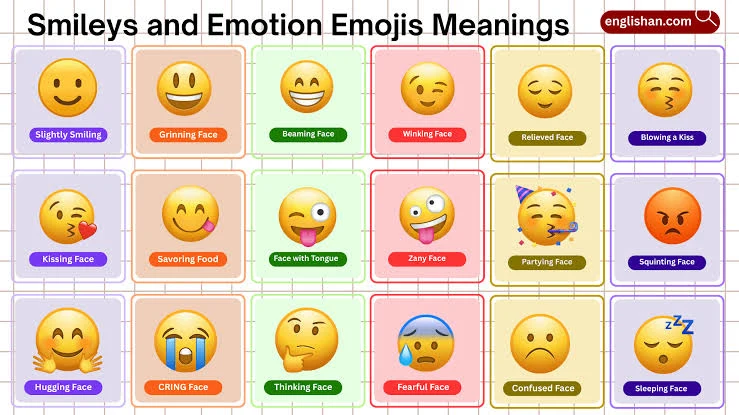
Emojis are not just cute little pictures. They are a modern language. Research from Adobe’s Global Emoji Trend Report found that 88% of emoji users feel that emojis help them express themselves better than words alone. When people combine emojis with coded slang like term 63, the meaning can shift depending on context.
Here are a few emoji combinations that communities sometimes pair with term 63 content or gender-swap concepts:
- The girl emoji paired with a boy emoji to signal a gender-flip idea
- The artist palette emoji to suggest creative or fan-art content
- The sparkle or magic wand emoji to indicate a transformation theme
- The game controller emoji used in gaming communities where rule 63 content is common
You will see these appear together in bio descriptions, fan art posts, and roleplay servers.
Why Context Always Comes First
One important thing to understand is that emojis mean different things in different communities. A single butterfly emoji can mean transformation in one space and something entirely unrelated in another. The same rule applies to emoji meanings term 63 meaning. The platform, the community, and the conversation all shape what a symbol truly communicates.
Where Does Term 63 Show Up Online?
Fan Communities and Creative Spaces
The term started in fan fiction and fan art communities. Artists who create gender-swapped versions of popular characters from anime, video games, or movies often tag their work with “rule 63” or “term 63.” This makes it easier for fans to find and share that type of creative content.
If you are active in fandom spaces, you have likely seen this without even knowing the label. Think of the countless fan drawings of well-known characters reimagined as a different gender. That is term 63 in action.
Gaming and Roleplay Communities
Online multiplayer games and roleplay communities also use this term. Players who choose avatars or characters that differ from their real-world gender often identify this with a simple emoji or the term 63 label in their profile bios. It is a way of signaling without writing a long explanation.
Social Media Bios and Posts
On platforms like TikTok, Tumblr, and Discord, users drop “63” or combine it with emojis in their profile descriptions. Once you know what to look for, you will start noticing it everywhere in these spaces.
Why People Use Coded Language and Emoji Combinations
Privacy and Belonging
People use coded terms and emoji combinations for two main reasons: privacy and community belonging. Not everyone wants to write out a long explanation of how they identify in online spaces. A simple emoji or number does the job quickly and efficiently.
At the same time, knowing a code signals that you belong to a certain community. It is a digital handshake. When you recognize term 63, you are showing that you are part of the conversation.
Platform Safety
Coded language also appears because some platforms moderate or restrict certain content. Users find creative ways to express themselves or tag their content without triggering automatic filters. This is a key reason why emoji combinations and shorthand terms like term 63 spread so quickly across different platforms.
How to Decode Emoji Meanings You Do Not Recognize
You do not have to feel lost when you come across a confusing emoji combination or slang term. Here is a simple approach to figuring out what something means:
- Look at the platform and the type of community using the term.
- Check the surrounding context of the message or post.
- Search the term on an up-to-date slang or emoji dictionary site.
- Ask someone in the community if it is safe and appropriate to do so.
- Check if the term appears alongside other well-known slang for more clues.
This five-step process works for emoji meanings term 63 meaning and for dozens of other coded terms you will come across online.
What Parents and Educators Should Know
If you are a parent or teacher, you might be wondering whether term 63 is something to worry about. In most cases, it is simply a creative internet label used in fan art and gaming communities. It is not inherently harmful.
That said, staying informed is always smart. Understanding what your child or student is reading or creating online helps you have honest, open conversations. If you see the term appear in their accounts or chats, approach it with curiosity rather than alarm. Ask questions. Listen first.
source: engagebay.com
The Bigger Picture: Digital Literacy in the Emoji Age
We live in an era where digital language evolves faster than most dictionaries can keep up. New slang, new emoji meanings, and new coded terms appear every few months. Emoji meanings term 63 meaning is just one small piece of a much larger puzzle.
The key takeaway is this: digital literacy is not optional anymore. Whether you are a teenager, a parent, a teacher, or a professional, understanding the language of online spaces makes you a more informed and connected person. You do not have to know every term. But knowing how to look things up, ask questions, and read context puts you ahead of the curve.
Conclusion
Emoji meanings term 63 meaning connects the world of visual digital language with internet subculture and creative communities. It started as a simple internet rule about gender-swapped characters and grew into a term with its own community vocabulary, emoji associations, and platform presence.
Now that you know what it means, you are better equipped to navigate online spaces with confidence. Whether you are a creator, a curious reader, or someone who just wants to understand modern digital culture, this knowledge gives you a real edge.
Did you find this helpful? Share it with someone who is just getting started with understanding online slang and emoji culture. And if you have come across another emoji combination that has you puzzled, drop it in the comments. There is always more to decode.
FAQs
What is the emoji meanings term 63 meaning in simple words? Term 63 refers to the internet concept of imagining a character or person as the opposite gender. It comes from “Rule 63,” a well-known internet rule about gender-swapped versions of characters.
Is term 63 harmful or inappropriate? In most contexts, no. It is a creative term used in fan communities, gaming, and roleplay spaces. Always check the context of how it is being used.
What emojis are commonly linked to term 63? Common pairings include gender-specific emojis used together, artist-themed emojis, sparkle or transformation emojis, and game controller emojis in gaming communities.
Where did term 63 originally come from? It comes from “Rule 63,” one of the original internet rules that states every character has a gender-swapped version somewhere online. It has roots in early internet forums and fan communities.
Why do people use codes and emojis instead of plain text? People use coded language for privacy, to signal community belonging, and sometimes to navigate platform content policies.
Can emoji meanings change depending on the platform? Yes, absolutely. The same emoji can carry very different meanings on TikTok versus Discord versus Twitter. Always consider the platform and community context first.
Is term 63 the same as transgender identity? No. Term 63 is a creative or fictional concept applied to characters in fan art, games, and roleplay. It is separate from real-world gender identity or transgender experiences.
How can I stay updated on new emoji meanings and slang? Follow digital culture publications, check emoji and slang reference sites regularly, and stay active in online communities that interest you. Language online evolves fast.
Should parents be concerned about term 63? Not necessarily. It is mostly found in creative and gaming communities. The best approach is to stay informed and have open conversations with young people about what they see online.
What is the best way to learn new emoji meanings quickly? Use context clues, check multiple sources, and look at how a term or emoji is used across different posts before drawing a conclusion.
Author Bio: Sarah Malik is a digital culture writer with over seven years of experience covering internet language, social media trends, and online communities. She specializes in making complex digital topics easy to understand for everyday readers. When she is not writing, she is exploring new corners of the internet so you do not have to.
miserdefinition.com
Email: johanharwen314@gmail.com
Author Name: Sarah Malik