Introduction
Wondering what business casual for men interview attire looks like? Get simple outfit rules recruiters notice, real stats, and mistakes to skip.
What should you actually wear when the invite says business casual for men interview? Most guys freeze right here. You do not want to look underdressed, but a full suit can feel like overkill too. This confusion is common, and it quietly costs candidates confidence before they even shake a hand.
Here is the good news. Business casual for men interview dressing follows a clear, learnable pattern once you break it down. In this guide, you will get the exact pieces to wear, a simple table comparing dress codes, real numbers on why attire matters, and the mistakes that quietly hurt candidates every day. By the end, you will walk into that interview room dressed like you already belong there.
What Does Business Casual Mean for a Men’s Interview?
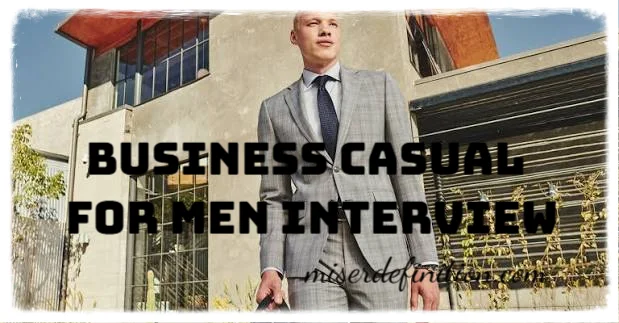
Direct answer: Business casual for a men’s interview means dress trousers or chinos, a clean collared button down shirt, and polished leather shoes, often finished with a blazer. No tie is required, but a blazer instantly raises your look.
Think of business casual as the middle ground. On one side sits the full business suit with a tie. On the other side sits your weekend outfit. Business casual borrows structure from the first and comfort from the second, and it works for most interviews outside finance and law.
Why Your Interview Outfit Actually Matters
You might think hiring managers only care about your answers. The numbers say otherwise. Attire still shapes first impressions long before you finish your first sentence.
- Surveys on hiring behavior show that a majority of employers, often cited between 51 and 75 percent, factor attire directly into their decisions.
- Workplace research from SHRM notes that even companies with relaxed dress codes still expect interview attire to stay polished and intentional.
- A Connecteam workplace survey found that 65 percent of managers have flagged sloppy outfits as a negative note during performance discussions, showing the habit forms early.
- Roughly 41 percent of American workers now dress business casual on a normal day, which is exactly why interviewers notice when a candidate dresses one clear notch above that.
I have sat across from candidates who nailed every answer but still felt slightly less confident because their outfit did not match the room. Clothing will not get you the job on its own, but it removes one more thing you have to think about while you are trying to focus on the conversation. Emma Raducanu Boyfriend
Business Casual vs Smart Casual vs Business Formal
| Dress Code | Top | Bottom | Shoes | Best For |
|---|---|---|---|---|
| Business Formal | Dress shirt, tie, suit jacket | Matched suit trousers | Oxfords or derbies | Finance, law, banking |
| Business Casual | Button down shirt, optional blazer | Chinos or dress trousers | Leather loafers or derbies | Corporate, healthcare, education |
| Smart Casual | Polo or knit shirt | Dark jeans or chinos | Clean sneakers or loafers | Tech, startups, creative roles |
When you are unsure which category your interview falls into, dress one level above what current employees wear on a normal day. It shows effort without making you look out of place.
The Core Pieces of a Business Casual Interview Outfit
Shirt
Choose a crisp, collared button down shirt in white, light blue, or a soft neutral tone. Avoid loud prints or anything with a visible logo. A well fitted shirt does more for your appearance than an expensive one that fits poorly.
Trousers or Chinos
Dress trousers or clean chinos in navy, gray, charcoal, or khaki are your safest bet. Dark jeans can work only when the office culture is clearly relaxed, and even then they should be free of rips or heavy fading.
Blazer
A blazer is the single fastest upgrade you can make. It signals effort, structure, and confidence, and it works even over a simple shirt. Pick navy or charcoal so it pairs with almost anything already in your closet.
Shoes
Leather loafers, derbies, or oxfords finish the look properly. Sneakers can pass in tech or startup interviews, but only if they are spotless, simple, and free of flashy branding.
Accessories
Keep it minimal. A simple watch and a leather belt that matches your shoes are enough. Skip heavy cologne, since a strong scent can distract more than it impresses. Source: DETERMINANT HK
Business Casual for Men Interview by Industry
- Finance and law: lean closer to business formal, even when the posting says business casual.
- Tech and startups: chinos with a polo or button down usually feel right.
- Healthcare and education: polished, conservative business casual works best.
- Creative industries: you can add a touch of personal style, but keep the base professional.
Dressing for a Video Interview
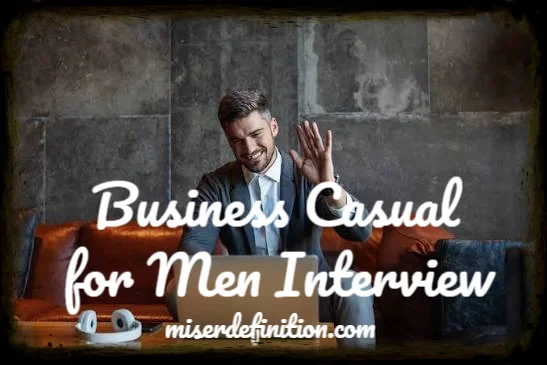
Video interviews come with their own quiet traps. Dress fully, not just from the waist up, since standing up unexpectedly has ended more than one interview badly. Choose solid, muted colors, because bright white can wash out on camera while very dark shades can lose detail in low light. Test your lighting and camera framing before the call starts. Tom Holland Height
Common Mistakes That Quietly Hurt Candidates
- Wearing hoodies, graphic t-shirts, or shorts, no matter how casual the office looks online.
- Showing up in wrinkled clothing that was never ironed or steamed.
- Wearing dirty or scuffed shoes, which recruiters notice more than people expect.
- Using strong cologne that lingers in a small interview room.
- Wearing an outfit you have never actually sat and moved around in beforehand.
Final Thoughts
Business casual for men interview dressing is not about owning an expensive wardrobe. It is about showing up polished, intentional, and one notch above the room. Get the shirt, trousers, shoes, and blazer right, skip the common mistakes above, and you remove one more source of stress on interview day.
What does your current interview outfit look like? If you are not fully confident in it yet, try building it out piece by piece using the list above before your next interview.
Frequently Asked Questions
Do you need a tie for a business casual interview?
No, a tie is not required. A collared shirt with a blazer already looks polished. Add a tie only if the company culture leans traditional, such as finance or law.
Can you wear jeans to a business casual interview?
Dark, unripped jeans work only if the company is clearly casual, such as a startup. For most interviews, chinos or dress trousers are the safer choice.
What shoes work best for a business casual interview?
Clean leather shoes such as loafers, derbies, or oxfords are the safest pick. Sneakers can work in tech or startup settings if they are spotless and simple.
Is a blazer mandatory for men in business casual interviews?
A blazer is not mandatory, but it instantly raises how put together you look. It moves you from casual to confident without needing a full suit.
What colors are safest for business casual interview attire?
Stick to neutral tones like navy, charcoal, gray, and white or light blue shirts. Bright colors and bold patterns can distract from the conversation.
How is business casual different from smart casual?
Business casual leans more formal and structured. Smart casual allows more personal style, like fashionable sneakers or fitted jeans. For interviews, business casual is the safer default.
Does interview attire really affect hiring decisions?
Yes. Research consistently shows a majority of employers factor attire into their decisions, and many managers report sloppy outfits showing up as a negative note in reviews.
miserdefinition
Category: Business
Tags: business casual, interview attire, men’s fashion, career advice, professional dressing, job interview tips, workplace style
About the Author
Marcus Bennett is a career and workplace style strategist who has spent over a decade helping professionals present themselves with confidence. He writes about career growth, hiring trends, and practical style advice for the modern workplace.