Introduction
Creating a strong curriculum vitae (CV) is an important step toward landing your dream job. A well-structured CV highlights your skills, experience, education, and achievements while giving employers a clear picture of what you can bring to their organization. Whether you are a recent graduate, an experienced professional, or changing careers, using a good curriculum vitae example can help you create a polished and professional CV that stands out from the competition. In this guide, you’ll learn how to structure your CV, what information to include, and practical tips for building a winning CV that catches employers’ attention.
Have You Ever Stared at a Blank Page Wondering How to Start Your CV?
You are not alone. Most job seekers freeze the moment they open a blank document and try to write their curriculum vitae. You know your skills. You know your experience. But putting it all into a clean, professional format feels harder than it should be.
That is exactly why a solid curriculum vitae example matters so much. It gives you a starting point. It shows you what works and what does not. In this article, you will learn what a strong CV looks like, how to structure one section by section, and which mistakes quietly cost people interviews every single day.
By the end, you will have a clear picture of how to write a CV that actually gets read, not skipped.
What Is a Curriculum Vitae Exactly?
A curriculum vitae, often shortened to CV, is a detailed document that outlines your education, work history, skills, and achievements. Unlike a resume, which stays short and targeted, a CV can run longer and cover your full academic and professional journey.
Employers in the United Kingdom, most of Europe, and academic institutions worldwide often ask for a CV instead of a resume. So knowing the difference matters before you even start writing.
Curriculum Vitae Example: Quick Direct Answer
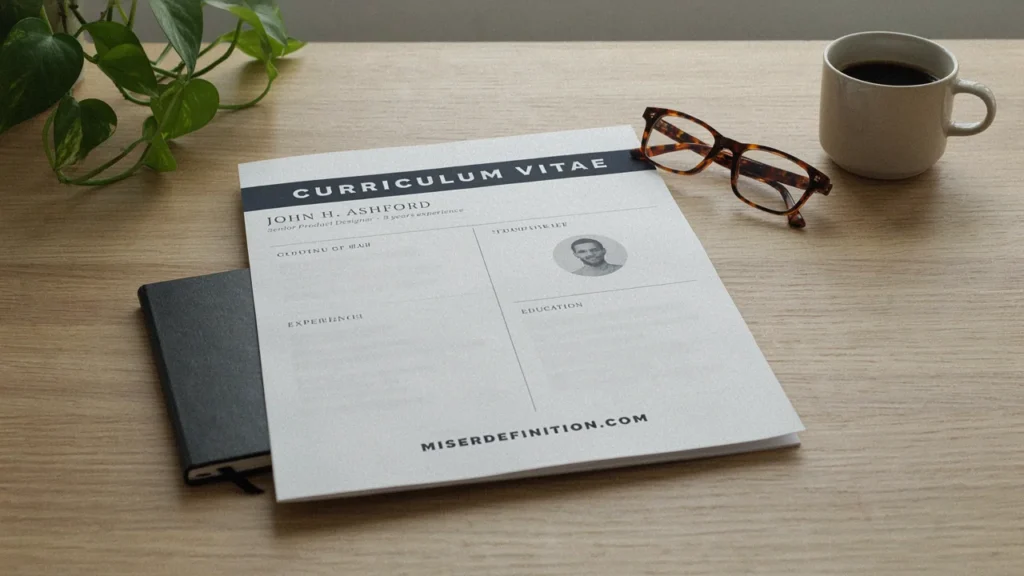
If you need a fast answer, here it is. A strong curriculum vitae example includes these core sections in this order:
- Contact information
- Personal profile or summary
- Work experience
- Education
- Skills
- Certifications or training
- Publications or research (if relevant)
- References or “available on request”
This structure works because recruiters scan CVs in seconds. A predictable layout helps them find what they need fast. When Does The New Iphone 18 Come Out Release Date
Why a Good CV Structure Matters More Than You Think
Recruiters spend an average of six to eight seconds scanning a CV before deciding whether to read further, according to hiring research shared by career platforms like TopCV and Zety. That is barely enough time to read one paragraph.
This is why structure beats decoration every time. A clean, well-organized CV wins over a flashy one with confusing sections. I have reviewed dozens of CVs over the years, and the ones that get interviews almost always share one trait. They are easy to skim.
Section by Section: How to Write Each Part of Your CV
Contact Information
Keep this simple. Include your full name, phone number, email address, and city. You do not need your full home address anymore. Add your LinkedIn profile if it is updated and professional.
Personal Profile or Summary
This is a short paragraph, usually two to four sentences, that sits right below your name. It tells the reader who you are professionally and what you bring to the table.
A good summary answers three questions:
- What is your current role or expertise?
- What are your strongest skills?
- What are you looking for next?
Work Experience
List your jobs in reverse chronological order, starting with your most recent role. For each job, include:
- Job title
- Company name
- Dates of employment
- Three to five bullet points describing your responsibilities and achievements
Use active voice and strong action verbs. Instead of writing “was responsible for managing a team,” write “managed a team of eight sales representatives.” This small shift makes your CV sound confident and direct.
Education
List your degrees starting with the most recent. Include the institution name, degree title, and graduation year. If you graduated with honors or a strong GPA, mention it here too.
Skills
Break your skills into categories if you have many. For example, separate technical skills from soft skills. This makes the section easier to scan.
Certifications and Training
Add any relevant certifications, workshops, or courses that support your career goals. This section becomes especially important in fast changing fields like technology, healthcare, and marketing. Source: University of Oxford
Curriculum Vitae Example Comparison Table
Here is a quick comparison of three common CV formats so you can pick the one that fits your situation.
| CV Format | Best For | Key Feature |
|---|---|---|
| Chronological CV | Candidates with steady work history | Lists jobs by date, most recent first |
| Functional CV | Career changers or gap years | Groups skills instead of job titles |
| Academic CV | Researchers, professors, PhD candidates | Includes publications and research grants |
Choosing the right format saves you time and helps your CV match what the employer expects to see.
Common Mistakes That Hurt Your CV
Even strong candidates make small errors that quietly reduce their chances. Watch out for these:
- Using the same generic CV for every job application
- Writing in passive voice instead of active voice
- Including outdated or irrelevant work experience
- Forgetting to proofread for spelling and grammar errors
- Making the CV too long, usually more than two pages for most roles
- Leaving out measurable achievements, like numbers or percentages
Fixing even two or three of these mistakes can noticeably improve your response rate from employers.
What Do Career Experts Say About CV Writing in 2026?
Career coaches now emphasize tailoring your CV for each specific job rather than sending one version everywhere. According to recruitment specialists at LinkedIn Talent Solutions, CVs that mirror keywords from the job description perform significantly better in applicant tracking systems, since most companies now filter CVs digitally before a human ever sees them.
This means your CV is not just written for people anymore. It is also written for software. Keep this in mind as you build yours.
How Long Should a CV Be?
This depends on your experience level.
- Entry level candidates: one page
- Mid career professionals: one to two pages
- Senior professionals or academics: two to four pages
There is no universal rule, but shorter almost always beats longer when you are unsure.
Quick Checklist Before You Submit Your CV
Run through this list one final time before hitting send:
- Contact details are correct and current
- Formatting stays consistent throughout
- Bullet points start with strong action verbs
- No spelling or grammar mistakes remain
- File is saved as a PDF unless told otherwise
- File name includes your full name
Final Thoughts
A great curriculum vitae example gives you a roadmap, but your own experience and voice make it stand out. Focus on clarity, keep your formatting clean, and always tailor your CV to the specific role you want.
Your CV is often the very first impression an employer has of you. Make it count.
Do you have a CV format that has worked well for you in the past? Consider reviewing your current CV against the checklist above and see how many boxes you can tick off today.
Costco Stock Split
Frequently Asked Questions
What is the difference between a CV and a resume? A CV is longer and covers your full academic and career history, while a resume stays short and focuses only on relevant experience for a specific job.
How long should a curriculum vitae be? Most CVs run one to two pages, though academic or research based CVs can extend to three or four pages depending on publications and experience.
Should I include a photo on my CV? This depends on your country. Many European employers expect a photo, while employers in the United States and Canada usually prefer no photo at all.
What skills should I list on my CV? List a mix of technical skills relevant to the job and soft skills like communication, teamwork, and problem solving.
Do I need to include references on my CV? You can write “references available on request” instead of listing them directly, unless the employer specifically asks for reference details upfront.
How often should I update my CV? Update your CV every time you gain a new skill, complete a project, or finish a certification, even if you are not actively job hunting.
What file format should I use to send my CV? Save and send your CV as a PDF to keep the formatting consistent across different devices and systems.
miserdefinition
About the Author
Written by a career content specialist who has spent years researching hiring trends and helping job seekers build clear, effective CVs. Passionate about turning confusing career advice into simple steps anyone can follow.